7-Day PMOS Diet Plan for Weight Loss (Formerly PCOS or PCOD)

A personalised PMOS diet plan, formerly described as a PCOS or PCOD plan, can be built from foods already eaten in your household instead of imposing an unfamiliar menu. Regional preferences, vegetarian or non-vegetarian habits, family cooking and practical daily routines can all be considered alongside individual nutritional and weight-management requirements. The finished personal plan can specify appropriate ingredients and quantities.

Key Takeaway: The 7-day PMOS diet plan for weight loss with 28 dishes represent seven separate profiles, including adolescents, women with insulin-resistance risk, women who are not overweight and women planning pregnancy. Weight loss is appropriate only when individually indicated, and exact ingredients, meal structure and quantities require personal assessment.

Best Nutritionist in Bangalore

Get a personalised diet plan designed by Chief Nutritionist Vasanthi, with 21 years of experience and National Awards in clinical nutrition, weight loss, holistic health, and nutrition innovation.

Consult in person at HSR, Koramangala, Bellandur, Haralur, or Electronic City, or online across India.

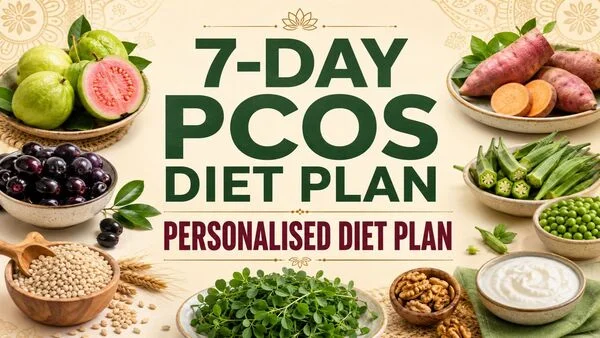
7-Day PMOS Diet Plan for Weight Loss
Chief Nutritionist Vasanthi

How to read this seven-profile PMOS diet plan

This educational chart contains seven separate profile examples. The days are not intended to be followed consecutively by one person. They demonstrate how regional Indian meals may need to change according to age, life stage, symptoms, activity, preferences and nutrition requirements.

Each breakfast, lunch, evening snack and dinner is also an independent example. The four dishes beneath one Day heading are not a recommended daily combination, and the chart does not prescribe portions, timings or an individual treatment diet.

PMOS is the current name for the condition previously known as PCOS or PCOD. The historical PCOS wording remains in the page address and selected search-language phrases so that readers can recognise the topic during the terminology transition.

Why PMOS goals and life stage change meal planning

PMOS can become relevant after puberty, during the reproductive years, while planning pregnancy and later in life. The nutrition goal may be growth, weight stability, gradual weight reduction, metabolic risk management or preconception adequacy, so the same menu cannot answer every need.

Healthy eating and regular activity can matter even when weight does not change. No single diet composition is superior for everyone with PMOS; sustainable choices should be adapted to food preferences, culture, family routines, health findings and the goal agreed for that individual.

The regional examples below therefore focus on adaptation rather than food rules. They do not repeat the broader PMOS diet, weight-loss, insulin-resistance or fertility guidance covered on Newtrist’s related pages.

Day 1: PMOS meal examples for adolescents after puberty

Adolescents with medically diagnosed PMOS still need nutrition for growth, learning, activity and pubertal development. Planning should prevent unnecessary restriction and weight stigma while addressing eating patterns and any relevant metabolic findings. These examples show how familiar dishes can be modified without imposing an adult weight-loss diet on a growing teenager.

Breakfast: Puttu with kadala curry from Kerala

Puttu with kadala curry is a breakfast strongly associated with Kerala. Steamed rice flour and coconut cylinders are traditionally eaten with black chickpeas simmered in a roasted coconut and spice gravy. A modified home version can keep both identities while using milder chilli and a lighter coconut-oil finish. For a growing adolescent, energy needs, school activity, appetite and chickpea tolerance determine suitability; removing the rice component automatically would be unnecessarily restrictive.

Lunch: Chainsoo from Uttarakhand

Chainsoo is associated with Uttarakhand’s Garhwal region and is made by dry-roasting black gram, grinding it and slow-cooking the mixture with spices. A modified lunch version can use less oil, a gentler chilli level and a looser texture while retaining the characteristic roasted dal. It offers a substantial pulse example for an active teenager, but appetite and digestive tolerance matter because the traditional dish can feel dense; it should not displace needed food variety.

Evening snack: Steamed methi muthia from Gujarat

Methi muthia is a snack popular in Gujarat, made from fenugreek leaves, gram flour, other flours and spices shaped into dumplings. The modified version here is steamed and lightly tempered instead of fried, preserving the fist-shaped identity. It can suit a school-day snack by contributing pulse and leafy-vegetable ingredients, while spice, bitterness and appetite can be adjusted for the adolescent. It is only one snack example, not a reason to restrict later meals.

Dinner: Bisi bele bath from Karnataka

Bisi bele bath is a dish popular in Karnataka in which rice, pigeon-pea dal, vegetables, tamarind and a distinctive spice blend are cooked to a soft consistency. A modified dinner version can retain the rice-dal base, increase vegetable variety, soften the chilli and use a restrained ghee finish. Training, school sport, appetite and growth affect how substantial it needs to be; highly active adolescents should not receive a reduced adult weight-loss version.

Day 2: PMOS meal examples for reproductive-age women who are newly diagnosed

A new PMOS diagnosis can prompt abrupt food bans that are difficult to sustain and may not be justified. Early planning should first clarify the woman’s symptoms, weight history, eating pattern, preferences and health findings. These examples demonstrate variety and practical cooking changes without presenting rice, traditional foods or one macronutrient as the cause of PMOS.

Breakfast: Tekeli pitha from Assam

Tekeli pitha is a steamed rice cake popular in Assam, traditionally prepared over a kettle with ground rice and a coconut, sesame or jaggery filling. A modified breakfast version can keep the steamed method and use a lightly sweetened coconut-sesame centre rather than an oversized sweet filling. It shows a newly diagnosed woman that rice need not be automatically banned, although glucose findings, appetite and the rest of her eating pattern affect how the dish fits.

Lunch: Aamat from Chhattisgarh

Aamat is associated with Chhattisgarh’s Bastar region and is a tangy preparation built from seasonal vegetables, bamboo shoot, spices and a soup-like base. A modified version can retain the local vegetable character while adding pulse body, moderating chilli and limiting oil. It illustrates dietary variety for a newly diagnosed woman, but bamboo shoot must be correctly prepared and individual digestive tolerance matters. It is not a stand-alone formula for PMOS management.

Evening snack: Paknam from Manipur

Paknam is associated with Manipur and is traditionally made from pea or gram flour, vegetables and aromatic leaves, wrapped in banana or turmeric leaf and steamed or roasted. A modified vegetarian version can keep the leaf-wrapped method, use seasonal vegetables and avoid an oily finish. It offers a portable pulse-based example for working or studying women, while chilli, onion and local fermented flavours can be adjusted according to preference and digestive comfort.

Dinner: Zunka bhakri from Maharashtra

Zunka bhakri is strongly associated with Maharashtra: gram flour is cooked with onion, mustard, cumin and other spices, then eaten with a millet flatbread. A modified dinner version can retain the dry gram-flour preparation and bhakri while using modest oil and a softer spice profile. It may suit a familiar family meal after diagnosis, but the grain choice and overall meal structure still depend on appetite, activity, weight goal and glucose findings.

Day 3: PMOS meal examples for women seeking weight loss

Weight loss may be a reasonable goal for some women with PMOS, but it should be gradual, nutritionally adequate and chosen without shame. The useful changes are those a woman can maintain within her family food pattern. These examples focus on cooking method, ingredient balance and satisfaction rather than a crash plan, rigid carbohydrate ban or promised result.

Breakfast: Sattu paratha from Bihar

Sattu paratha is a flatbread popular in Bihar, filled with roasted Bengal-gram flour, herbs, spices and mustard oil inside wheat dough. A modified weight-management version can keep a generous sattu-led filling, use a thinner home-rolled dough and cook it on a tawa with less added fat than a restaurant version. It can support satiety, but wheat tolerance, morning appetite, activity and the wider meal pattern determine suitability; the dish does not guarantee weight loss.

Lunch: Gatte ki sabzi from Rajasthan

Gatte ki sabzi is a curry associated with Rajasthan, made from gram-flour dumplings cooked in a spiced yoghurt gravy. A modified version can boil the gatte without later frying and use a lighter, less oily gravy while preserving the tangy besan character. It provides a satisfying pulse-based lunch example for weight management, but yoghurt tolerance, sodium needs and the accompanying household meal affect its place. A rich restaurant preparation can differ substantially.

Evening snack: Bhutte ka kees from Madhya Pradesh

Bhutte ka kees is a snack popular in Indore, Madhya Pradesh, made by cooking grated corn with milk, spices and a tempering. A modified savoury version can avoid added sweetening and use less ghee while retaining the soft grated-corn texture. It can replace a more heavily fried snack for some women, yet corn still contributes carbohydrate; glucose findings, hunger, dairy tolerance and activity determine whether and how it fits a weight-management plan.

Dinner: Alsande tonak from Goa

Alsande tonak is associated with Goan home cooking and combines red cowpeas or black-eyed peas with a roasted coconut, onion and spice gravy. A modified dinner version can keep the cowpeas and aromatic tonak masala while using less coconut and oil and moderating chilli. The dish can provide a substantial legume base during weight management, but digestive tolerance, household accompaniments and overall energy requirements must be considered rather than assuming every legume curry is automatically light.

Day 4: PMOS meal examples for women with insulin resistance or prediabetes risk

Women with PMOS and insulin-resistance or prediabetes risk need meal planning based on actual health findings, not fear of all carbohydrate. Protein sources, fibre-rich ingredients, carbohydrate quality and a workable eating rhythm can be adjusted together. These four examples show those principles, while the exact meal structure depends on laboratory results, appetite, activity and other individual factors.

Breakfast: Kambu koozh from Tamil Nadu

Kambu koozh is a traditional porridge popular in Tamil Nadu for breakfast or lunch, made from cooked pearl millet and often fermented and mixed with curd or buttermilk. A modified breakfast version can use coarsely ground millet, avoid added sweetening and retain a spoonable porridge texture rather than straining it. It demonstrates a higher-fibre grain choice, but fermentation hygiene, dairy tolerance, glucose response and morning activity affect suitability; millet is not carbohydrate-free.

Lunch: Puntikura pappu from Telangana

Puntikura pappu, also called gongura dal, is associated with Telangana and combines sour roselle leaves with pigeon-pea or Bengal-gram dal and a tempered spice finish. A modified version can keep the leaf-and-dal identity, use more greens, temper gently and adjust salt and chilli. It illustrates how pulse and leafy vegetables can share one dish, while sourness tolerance, salt requirements and individual glucose findings require separate consideration.

Evening snack: Banarasi chana ghugni from Uttar Pradesh

Banarasi chana ghugni is associated with Varanasi and eastern Uttar Pradesh, where cooked chickpeas are tossed or simmered with potato, onion and spices as a snack. A modified version can keep chickpeas central, use less potato and oil, and omit crisp fried toppings. It may provide a more sustaining option for some women with insulin-resistance risk, but legume tolerance, hunger, activity and the timing of other meals still influence suitability.

Dinner: Kinema curry from Sikkim

Kinema curry is associated with Sikkim’s fermented-food tradition and is prepared from fermented soybeans cooked with onion, tomato, chilli and a small amount of oil. A modified dinner version can add seasonal vegetables, moderate salt and chilli, and use a reliably prepared kinema. It offers a concentrated plant-protein example, but soy allergy, food-safety practices, taste acceptance and individual digestive response matter. Fermentation alone does not make a dish suitable for every metabolic goal.

Day 5: PMOS meal examples for women who are not overweight

Women can have PMOS without being overweight, and weight loss should not become the automatic goal. Planning may instead focus on nutritional adequacy, stable eating patterns, prevention of unwanted weight gain and any specific metabolic findings. These examples retain carbohydrate and energy sources rather than turning every familiar dish into a reduced-weight version.

Breakfast: Bajra aloo roti from Haryana

Bajra aloo roti is associated with Haryana and combines pearl-millet flour with cooked potato, herbs and spices in a hand-shaped flatbread. A modified breakfast version can use a bajra-wheat blend for pliability, retain the potato and add leafy herbs, rather than removing carbohydrate from a woman who does not need weight loss. Appetite, activity, gluten tolerance and glucose findings determine the final flour blend and meal context; dense rotis may not suit everyone.

Lunch: Amritsari chole from Punjab

Amritsari chole is associated with Punjab and uses chickpeas simmered with ginger, tangy flavouring and a fragrant blend of whole and ground spices. A modified lunch version can keep the dark, robust chole character while reducing oil and moderating chilli rather than shrinking the dish into a weight-loss portion. It can support adequate eating for a woman who is not overweight, but digestive comfort, sodium needs and household accompaniments affect the complete meal.

Evening snack: Enduri pitha from Odisha

Enduri pitha is a steamed cake associated with Odisha, made from rice and black-gram batter, filled with coconut and jaggery, wrapped in turmeric leaves and steamed. A modified snack version can preserve the aromatic leaf, fermented batter and gently sweet filling without turning it into a sugar-free imitation. It demonstrates that pleasure and tradition can remain when weight loss is not indicated, although glucose findings, appetite and access to correctly identified leaves affect suitability.

Dinner: Rugra curry from Jharkhand

Rugra curry is associated with Jharkhand and uses a seasonal wild mushroom cooked with onion, tomato, garlic and local spices. A modified dinner version can retain the earthy mushroom character while using modest oil and avoiding a heavy creamy finish. It offers variety for a woman whose goal is not weight loss, but rugra must come from a trusted source because wild mushrooms can be misidentified. Availability, allergy and digestive tolerance also matter.

Day 6: PMOS meal examples for women planning pregnancy

When pregnancy is being planned, nutrition should prioritise adequacy, food safety and the woman’s preconception health rather than aggressive weight reduction. PMOS can coexist with different body sizes and metabolic findings, so the goal needs medical and nutrition coordination. These examples show careful preparation and nutrient variety without assigning a fertility outcome to any dish or guaranteeing conception.

Breakfast: Aktori from Himachal Pradesh

Aktori is associated with Himachal Pradesh and is a pancake traditionally made from buckwheat and wheat flour, sometimes with buckwheat leaves, milk or festive sweetening. A modified savoury breakfast version can keep the buckwheat-wheat base, omit extra sweetening and cook the centre thoroughly with only a light pan coating. For pregnancy planning, dietary adequacy and food safety matter; wheat allergy, gluten intolerance, appetite and individual glucose findings determine whether this version is appropriate.

Lunch: Ulavacharu from Andhra Pradesh

Ulavacharu is associated with Andhra Pradesh, especially the Krishna and Guntur regions, and is a tangy, soup-like preparation made from slow-cooked horse gram and spices. A modified lunch version can blend back some of the cooked horse gram, soften the chilli and use less oil while retaining the characteristic concentrated flavour. It offers pulse variety before pregnancy, but digestive tolerance, acidity symptoms and the wider meal determine suitability; it is not a fertility treatment.

Evening snack: Pukhlein from Meghalaya

Pukhlein is a Khasi snack popular in Meghalaya, traditionally made by combining rice flour and jaggery and frying the shaped cakes until golden. A modified version can keep the rice-jaggery identity while using a shallow moulded-pan method, less jaggery and minimal added fat. It shows that pregnancy planning need not impose a forbidden-sweets list, although glucose findings, appetite and frequency matter. The batter should be freshly prepared and cooked through.

Dinner: Dhokar dalna from West Bengal

Dhokar dalna is associated with West Bengal and consists of spiced Bengal-gram cakes simmered in a tomato-based gravy. A modified dinner version can steam or pan-set the lentil cakes before lightly browning them, then use a less oily gravy while preserving the recognisable texture. It can add vegetarian pulse variety during pregnancy planning, but the cakes must be cooked through; digestive tolerance, appetite and the rest of the meal remain individual.

Day 7: PMOS meal examples during perimenopause and later life

During perimenopause and later life, PMOS-related planning can intersect with changing appetite, body composition, muscle needs, metabolic risk, dental comfort and daily activity. Weight loss is not automatically the only priority. These examples favour adaptable textures and ingredient density while recognising that health conditions, food tolerance and cooking access can alter what is practical.

Breakfast: Putang thukpa from Arunachal Pradesh

Putang thukpa is associated with the Monpa communities of Arunachal Pradesh and uses locally made buckwheat noodles in a warm preparation with soy chhurpi, vegetables, dried fish or meat. A modified breakfast version can retain buckwheat noodles and soy chhurpi with seasonal vegetables, a softer texture and less salt. It may suit a cool morning and modest appetite, while soy tolerance, chewing comfort, protein needs and activity determine the final preparation.

Lunch: Akibeye from Nagaland

Akibeye is associated with Nagaland’s Sumi community and is a thick, minimally spiced preparation built from colocasia and bamboo shoot, with local variations using greens or animal foods. A modified lunch version can keep colocasia and bamboo shoot, add mustard greens, moderate salt and cook every component thoroughly. The soft texture may suit some older women, but improperly prepared colocasia or bamboo shoot can irritate; individual health findings and appetite still guide suitability.

Evening snack: Koat pitha from Mizoram

Koat pitha is a snack popular in Mizoram, made from ripe banana, rice flour and jaggery and traditionally shaped and deep-fried. A modified later-life version can use an appe-style pan, rely more on banana for sweetness and keep a soft centre with little added fat. It can offer a familiar energy-dense snack when appetite is modest, but glucose findings, chewing comfort and overall eating pattern matter. It remains an occasional example, not a required PMOS food.

Dinner: Chakhwi from Tripura

Chakhwi is associated with Tripuri cuisine and is a stew-like dish using bamboo shoot, green papaya, vegetables, lentils, alkaline water and, in some versions, fermented fish. A modified dinner version can keep the bamboo-papaya-lentil character, use a carefully prepared vegetable base and moderate salt. Its soft texture can be practical later in life, but bamboo shoot and alkaline preparation require experienced cooking; digestive tolerance, health findings and protein needs vary.

7-Day PMOS Diet Plan for Weight Loss

MealStateDishMain adaptation
Day 1
BreakfastKeralaPuttu with kadala curryMilder chickpea curry and lighter coconut-oil finish without removing the rice base
LunchUttarakhandChainsooLess oil, gentler chilli and a looser texture for appetite and tolerance
Evening snackGujaratMethi muthiaSteamed and lightly tempered instead of fried
DinnerKarnatakaBisi bele bathMore vegetable variety, softer chilli and restrained ghee while preserving rice and dal
Day 2
BreakfastAssamTekeli pithaSteamed rice cake with a lightly sweetened coconut-sesame centre
LunchChhattisgarhAamatPulse body, moderate chilli and limited oil within the vegetable preparation
Evening snackManipurPaknamVegetarian, leaf-wrapped and steamed with seasonal vegetables
DinnerMaharashtraZunka bhakriModest oil and softer spices while retaining gram flour and millet bread
Day 3
BreakfastBiharSattu parathaSattu-led filling, thinner dough and less cooking fat
LunchRajasthanGatte ki sabziBoiled gatte without later frying and a lighter yoghurt gravy
Evening snackMadhya PradeshBhutte ka keesSavoury, unsweetened finish with less ghee
DinnerGoaAlsande tonakCowpeas retained with less coconut, oil and chilli
Day 4
BreakfastTamil NaduKambu koozhCoarse pearl millet, no added sweetening and retained porridge texture
LunchTelanganaPuntikura pappuMore greens with a gentle tempering and adjusted salt and chilli
Evening snackUttar PradeshBanarasi chana ghugniChickpeas kept central with less potato, oil and no fried topping
DinnerSikkimKinema currySeasonal vegetables, moderate salt and reliably prepared fermented soybeans
Day 5
BreakfastHaryanaBajra aloo rotiPotato retained in a practical bajra-wheat dough with leafy herbs
LunchPunjabAmritsari choleRobust chickpea character with less oil and moderated chilli
Evening snackOdishaEnduri pithaTraditional steamed cake with a gently sweet filling retained
DinnerJharkhandRugra curryTrusted seasonal mushrooms with modest oil and no creamy finish
Day 6
BreakfastHimachal PradeshAktoriSavoury, thoroughly cooked buckwheat-wheat pancake with light pan coating
LunchAndhra PradeshUlavacharuSome cooked horse gram blended back with less oil and chilli
Evening snackMeghalayaPukhleinMoulded-pan cooking, less jaggery and minimal added fat
DinnerWest BengalDhokar dalnaSteamed or pan-set lentil cakes in a lighter tomato gravy
Day 7
BreakfastArunachal PradeshPutang thukpaBuckwheat noodles, soy chhurpi, vegetables, softer texture and less salt
LunchNagalandAkibeyeThoroughly cooked colocasia and bamboo shoot with mustard greens
Evening snackMizoramKoat pithaAppe-style cooking, banana-led sweetness and little added fat
DinnerTripuraChakhwiCarefully prepared bamboo shoot, papaya and lentils with moderate salt

The chart demonstrates why choosing a regional dish is only the first decision. An individual assessment can determine which adaptation, preparation method and meal context fit a woman’s health findings, body-weight goal, life stage and household routine.

7 Day PCOS PCOD Diet Plan for Weight Loss

How do protein, carbohydrate quality, fibre and meal timing change across these profiles?

They change according to growth, appetite, activity, body-weight goal, glucose findings, digestive tolerance and life stage. An adolescent may need a more substantial meal around school and sport, while a woman with insulin-resistance risk may need closer attention to carbohydrate quality, pulse or other protein ingredients, vegetable inclusion and the spacing of meals.

Protein does not need to come from one fashionable food. Regional pulses, chickpeas, black gram, horse gram, soy foods, dairy, eggs, fish or meat can be considered according to preference and tolerance. Fibre can come from vegetables, pulses, fruit and suitable grains, but increasing it abruptly may be uncomfortable for some people.

Meal timing should solve a practical problem rather than follow one universal clock. Work shifts, school, appetite, sleep, physical activity and long gaps between meals can all influence the pattern. Exact timings and quantities belong in a personal plan, not in this educational chart.

When is weight loss not the appropriate PMOS goal?

Weight loss is not the default goal for every person with PMOS. It may be inappropriate when an adolescent is still growing, when a woman is not above the weight range considered appropriate for her, when there is recent unexplained weight loss, or when nutritional adequacy needs greater attention.

Body size alone does not determine whether someone has PMOS or how severe her concerns are. Healthy eating, regular activity, prevention of unwanted weight gain and attention to metabolic health can still be useful without pursuing a lower number on the scale.

A weight goal should be agreed after considering weight history, body composition, health findings, eating behaviour, menstrual and reproductive goals, activity and wellbeing. The related Newtrist PMOS weight-management page can carry the broader discussion, while this article remains focused on regional meal adaptation.

How should these dishes change when planning pregnancy?

They should shift from a weight-loss-first lens to preconception nutritional adequacy, reliable meal patterns and food safety. The planning process should consider the woman’s current eating pattern, body-weight goal, glucose and cardiovascular findings, food preferences, cooking methods and any care advised by her treating doctor.

Pulse batters, legumes, soy foods, dairy, eggs, fish, meat, grains and vegetables all require preparation appropriate to the ingredient and household. Fermented foods, wild mushrooms, bamboo shoot, eggs, fish and meat need particular attention to sourcing, storage and thorough cooking. A regional dish cannot improve fertility by itself or guarantee pregnancy.

The dedicated Newtrist PMOS fertility page can explain broader preconception priorities. Here, the key point is that the pregnancy-planning profile needs its own assessment rather than borrowing the weight-loss profile.

Frequently asked questions about a PMOS diet plan

Does a 7-day PCOS diet plan have to be low-carbohydrate?

No. Current evidence does not show that one diet composition is superior for every person with PMOS, formerly PCOS. Carbohydrate quality, total dietary pattern, activity, appetite and individual goals matter more than adopting one label. Rice, roti, millet or other staples can be adapted rather than automatically removed, while exact ingredients and quantities depend on the person’s health findings.

Can someone with PMOS eat rice, roti and fruit?

Yes, these foods can remain when they suit the individual. The grain type, preparation, meal context and overall eating pattern influence how rice or roti fits, while whole fruit differs from a sweetened drink or dessert. A person with particular glucose findings may need a different structure from someone without them, so a universal allowed-food list is not reliable.

How can a vegetarian PCOS meal plan include protein?

A vegetarian PMOS meal pattern can draw on dals, chickpeas, beans, lentils, soy foods, dairy and other familiar household ingredients according to preference and tolerance. The best combination varies with energy needs, digestive comfort, food access and life stage. Simply adding one high-protein food does not make the whole pattern balanced, and restrictive eating can reduce overall adequacy.

Is intermittent fasting required for PMOS weight loss?

No. Intermittent fasting is not a requirement for PMOS weight management, and long gaps may be unhelpful for people whose hunger, work schedule, training or eating behaviour makes the pattern difficult to sustain. A practical meal rhythm should be chosen around the individual rather than copied from a trend. Severe restriction is not a faster or safer substitute for a nutritionally adequate plan.

Can a PCOS diet plan produce fast weight loss?

No diet plan can responsibly promise fast or fixed weight loss. Change differs with starting weight, body composition, eating history, activity, sleep, health conditions and adherence, and faster loss is not automatically better. A personal plan should use realistic goals, preserve nutritional adequacy and be reviewed according to the woman’s response rather than aiming for a dramatic result by a deadline.

What should you remember about a personalised PMOS diet plan?

A 7-day PMOS diet plan for weight loss is most useful as an illustration of planning differences, not as a ready-made week. The 28 regional dishes show that familiar Indian food can be retained while preparation and meal context change across adolescence, weight management, insulin-resistance risk, weight stability, pregnancy planning and later life.

The right goal is not always weight loss, and no one staple or diet label suits every woman. A personal plan can turn these principles into ingredient choices, preparation guidance, quantities and a workable structure based on the individual’s health findings and home routine.

How Chief Nutritionist Vasanthi Senthilvel personalises a PMOS diet plan

Chief Nutritionist Vasanthi Senthilvel personalises a PMOS diet plan after assessing diagnosis, symptoms, laboratory findings, age, body composition, weight history, activity, food preferences, regional habits, family cooking, cooking access, budget and daily routine. The purpose is to identify a suitable nutrition goal and build practical recommendations from foods the household can actually use.

Depending on the assessed goal, the relevant Newtrist service may be a Personalised Diet Plan for Weight Management, a Personalised Diet Plan for Clinical Nutrition, or coordinated support across both. A personal plan can specify ingredients, preparation details, quantities and review priorities that a general chart cannot safely determine.

Consult Chief Nutritionist Vasanthi Senthilvel to develop a Newtrist Personalised Diet Plan for Weight Management or Personalised Diet Plan for Clinical Nutrition around your PMOS goals, health findings, familiar regional foods and daily routine.

Author

Chief Nutritionist Vasanthi Senthilvel leads Newtrist Nutritionist Dietitian Dietician, providing personalised diet plans for weight management and clinical nutrition for children, adolescents, adults and families.

She has 21 years of experience in nutrition and has received professional recognition for her work.

  • Pride of Bharat Awards 2026: Outstanding Achievement in Holistic Health & Nutrition Innovation
  • Doctor of The Year: Nutritionist 2026: Excellence in Clinical Nutrition and Weight Loss.

Her approach considers age, growth, health history, medical conditions, laboratory reports, medication, body composition, weight history, dietary preferences, regional food habits, family routines, activity, sleep and personal health goals. Recommendations are developed according to individual needs rather than using one standard diet for everyone.

Consultations are available in person at Bangalore HSR Layout, Koramangala, Bellandur, Haralur and Electronic City, as well as online across India.

Independent Medical Review Panel

Health and nutrition articles may be reviewed, where appropriate, by independent doctors with relevant specialist expertise. The doctors listed below contribute to this review process within their respective specialities. Doctors are listed alphabetically by speciality.

SpecialityDoctor
EndocrinologyDr Vinay Prasad
MBBS, MD, DM
GynaecologyDr Prathiba G
MBBS, DNB, FIRM, FMAS

Disclaimer

This article provides general nutrition information and is not an individual diet plan. Nutritional requirements vary according to age, growth, health status, medication, activity, food preferences and other personal factors. The information is not intended to diagnose, treat or cure a medical condition or replace personalised medical or nutrition care.