
Written by: Chief Nutritionist Vasanthi Senthilvel
21 years of experience | Newtrist Nutritionist Dietitian Dietician
Best Nutritionist in Bangalore with multiple awards for excellence in clinical nutrition, weight loss, holistic health and nutrition innovation.
Medically reviewed by: Dr Prathiba G MBBS, DNB, FIRM, FMAS | Dr Sunil kumar N MBBS, MD, DM | Dr Vinay Prasad MBBS, MD, DM
Medical Disclaimer: Nutritional needs vary based on an individual’s profile. The information on this page is for general educational purposes only and is not intended to replace personalised medical or nutrition care.
A vegetarian diet for diabetes can be nutritionally appropriate, but simply avoiding meat does not determine whether the diet provides enough protein, vitamin B12 and other nutrients or whether its carbohydrate pattern suits the person’s treatment. Vegetarian diets can range from dairy-based Indian eating patterns to egg-inclusive or fully vegan patterns, so nutritional priorities are not identical. Diabetes type, medication or insulin, kidney health, appetite, age and food preferences can all change what needs attention.
Key takeaway: A vegetarian diet for diabetes can support good nutrition when it provides varied protein sources, adequate fibre and attention to nutrients that may be harder to obtain in some vegetarian patterns, particularly vitamin B12. Pulses, legumes, dairy, paneer, soy, nuts and seeds can all contribute useful nutrients, but some also contribute carbohydrate or substantial fat, so they are not interchangeable. The appropriate amounts and clinical modifications depend on the individual.
Table of Contents

What does a vegetarian diet for diabetes include?
Vegetarian eating patterns are not all the same. A lacto-vegetarian pattern includes dairy but excludes meat, fish and eggs. Some people include eggs as well as dairy, while a vegan pattern excludes all animal-derived foods. In India, cultural use of the word vegetarian can differ, so the actual foods eaten matter more than the label.
Diabetes does not require one vegetarian pattern over another. The main question is whether the chosen pattern provides adequate nutrition while fitting blood glucose management, treatment and everyday life. Readers looking for the overall framework across all dietary patterns can use Newtrist’s broader diabetes nutrition guidance.
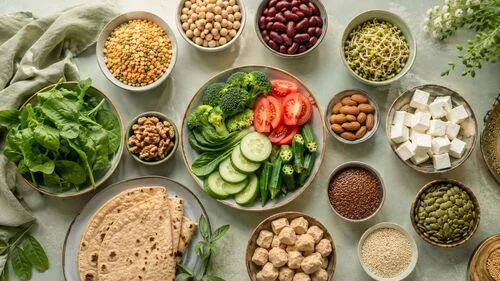
Why is nutritional adequacy the central concern?
A vegetarian label does not automatically make a dietary pattern nutritionally complete. A pattern based mainly on refined grains, sweets, fried snacks or highly processed foods can still be vegetarian while providing limited protein, fibre or micronutrient variety. Conversely, a well-planned vegetarian pattern can draw nutrients from several food groups without requiring special ‘diabetic’ products.
The nutrients that deserve attention depend on the exact pattern. Protein, vitamin B12, iron, zinc, calcium, vitamin D and essential fats may require consideration in some people, particularly when food variety is limited, appetite is poor, the diet is vegan or another health condition affects intake or absorption. This does not mean that every vegetarian needs supplements or laboratory testing for every nutrient.
How can vegetarian protein needs be met?
Vegetarian protein can come from several food groups, and no single source has to carry the entire protein requirement. The appropriate amount depends on age, growth, body composition, activity, nutritional status, kidney health and other clinical factors. A general article therefore cannot prescribe a protein target or tell one person how much of each food to eat.
Pulses and legumes
Pulses and legumes are important in many vegetarian patterns because they can contribute protein, fibre, iron, zinc, folate and other nutrients. They also contribute carbohydrate, so counting them only as a protein source can give an incomplete picture of the diet. This dual nutritional role is not a reason to avoid pulses; it is a reason to consider them within both protein adequacy and the person’s wider carbohydrate pattern.
Dairy and paneer
For people who include dairy, milk, curd and paneer can make it easier to obtain protein and calcium, and they can also contribute vitamin B12. Their value in a vegetarian pattern is therefore broader than protein alone. People who avoid dairy because of vegan preferences, allergy or intolerance need other reliable ways to cover the nutrients that dairy would otherwise contribute.
Soy foods
Soybeans, tofu and other minimally processed soy foods can provide substantial plant protein and can be useful when they fit the person’s preferences and tolerance. Soy is not a diabetes treatment, and a ‘high-protein’ soy label does not make every processed soy product nutritionally equivalent. Ingredients, processing and the overall dietary pattern still matter.
Nuts and seeds
Nuts and seeds contribute protein along with unsaturated fats, fibre and selected minerals. They are nutritionally dense, but their protein contribution does not make quantity irrelevant. The role of nuts and seeds should be considered within the person’s total food intake, appetite and energy needs.
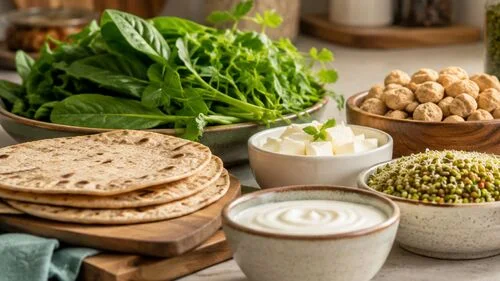
Why do carbohydrate density and fibre need to be considered together?
Vegetarian diets can be relatively high in carbohydrate when grains, pulses, fruit, milk and starchy foods make up a large share of intake. That is not automatically a problem, but it means vegetarian protein planning cannot be separated completely from carbohydrate awareness. For the detailed explanation of carbohydrate amount, quality, fibre, processing and glucose response, see Newtrist’s guide to carbohydrates and diabetes.
Fibre-rich foods such as pulses, vegetables, whole fruits, nuts, seeds and less-refined grains can improve the nutritional quality of a vegetarian pattern. However, fibre does not cancel the carbohydrate in a food, and a high-fibre food is not automatically suitable in unlimited quantities. Digestive tolerance can also vary, particularly with gastrointestinal conditions or sudden large changes in fibre intake.
Whole fruit can contribute fibre, vitamins and minerals within vegetarian diets, but fruit has its own form, ripeness and processing considerations. Readers who need that detail can use the dedicated guide to fruit and diabetes rather than treating fruit as simply another vegetarian carbohydrate source.
Why does vitamin B12 need deliberate attention?
Vitamin B12 deserves particular attention because reliable natural sources are mainly animal-derived foods. Dairy and eggs can contribute vitamin B12 in vegetarian patterns that include them, while people following vegan diets depend on fortified foods or supplementation to obtain reliable vitamin B12. Actual adequacy depends on intake, absorption, life stage and medical factors.
Diabetes adds another consideration because long-term metformin use can lower vitamin B12 levels. A person who follows a vegetarian or vegan diet and also takes metformin may therefore have more than one reason for vitamin B12 status to be reviewed. Anaemia, numbness, tingling or other possible deficiency-related symptoms should not be self-diagnosed as a nutrition problem because diabetes and other conditions can cause similar symptoms.
Supplements should address an identified need or a dietary pattern with a recognised risk rather than be taken in the belief that more vitamin B12 will improve blood glucose. The appropriate product, dose and need for testing depend on the individual and should be discussed with the relevant healthcare professional.
What changes in a vegan diet for diabetes?
A vegan diet removes dairy and eggs as well as meat and fish, so nutritional planning needs to account for the loss of those food sources. Vitamin B12 is the clearest nutrient that requires a reliable fortified or supplemental source. Calcium, vitamin D, iodine, iron, zinc and omega-3 fats may also deserve attention depending on food choices, fortification, sun exposure, life stage and medical needs.
Vegan does not automatically mean low carbohydrate or minimally processed. A vegan pattern can include whole grains, pulses, soy, nuts, seeds, vegetables and fruit, but it can also contain refined foods, sweets and highly processed plant-based products. Nutritional adequacy and food quality therefore need to be assessed from the actual pattern rather than the vegan label alone.
How do familiar Indian vegetarian foods fit without creating a second Indian-food guide?
Vegetarian diabetes nutrition in India often uses familiar foods such as dal, pulses, curd, paneer, soy foods, nuts, seeds, grains, vegetables and fruit. This page focuses on their role in vegetarian nutritional adequacy rather than ranking rice, roti, idli, dosa or regional dishes.
Preparation, regional habits, affordability, religious practices and household preferences still matter. Newtrist’s guide to Indian foods for diabetes covers those everyday food and cooking questions in greater depth, while the present page remains focused on the nutritional issues that arise specifically from a vegetarian pattern.
When is individual assessment especially important?
A vegetarian eating pattern may need closer assessment when diabetes occurs alongside circumstances that change nutrient needs, absorption, appetite or treatment safety.
- Children and adolescents, because growth and development increase the importance of adequate energy, protein and micronutrients
- Pregnancy or breastfeeding, when nutritional requirements change and vegan or restricted patterns may need additional review
- Older adults, especially with poor appetite, frailty, muscle loss or difficulty eating enough
- Kidney disease or another condition that changes protein, mineral, fluid or food choices
- Long-term metformin use or laboratory findings that raise concern about vitamin B12 status
- Food allergies, intolerances or digestive disorders that remove additional vegetarian protein or fortified-food options
- Unintended weight loss, poor appetite or a very limited range of accepted foods
- Insulin or glucose-lowering medication when major dietary changes could alter glucose patterns or hypoglycaemia risk
These situations do not mean a vegetarian diet is inappropriate. They mean that the pattern should be assessed according to the person’s nutritional requirements and medical treatment rather than copied from a generic vegetarian diabetes plan.
Frequently asked questions
Do vegetarian proteins need to be combined at every meal?
No. A vegetarian diet does not require a special protein-combining formula at every meal. A varied eating pattern that includes appropriate protein sources across the day can provide the amino acids the body needs. The more important question is whether total protein and overall nutrition are adequate for the person’s age, activity, health status and dietary pattern rather than whether two specific foods are paired together.
Are vegetarian protein powders necessary for diabetes?
No. Diabetes or vegetarian eating does not automatically create a need for protein powder. Many people can obtain adequate protein from foods, while supplements may be useful in selected situations such as poor intake or a clinically identified need. Kidney health, appetite, total dietary intake and the ingredients in a product should be considered before treating a protein supplement as a routine diabetes food.
Are plant-based meat substitutes automatically suitable for diabetes?
No. Plant-based meat alternatives vary widely in protein, carbohydrate, fat, sodium and degree of processing. Some can be convenient protein sources, but the words ‘plant-based’ or ‘vegan’ do not establish nutritional quality. The ingredient list and nutrition information should be considered in the context of the person’s overall diet, cardiovascular health, kidney health and diabetes treatment.
Can children with diabetes follow a vegetarian diet?
Yes, a vegetarian pattern can be considered for a child with diabetes, but it needs to support normal growth, development and diabetes treatment. Protein, vitamin B12, iron, calcium and overall energy intake may require particular attention depending on the foods included. Restrictive adult-style dieting should not be applied to children, and insulin-related food decisions should remain coordinated with the child’s diabetes care team.
Conclusion
A vegetarian diet for diabetes can be nutritionally appropriate when the focus is on adequacy rather than the vegetarian label alone. Protein sources, carbohydrate density, fibre, vitamin B12 and the degree of dietary restriction all need to be considered together. Lacto-vegetarian, egg-inclusive and vegan patterns have different strengths and possible gaps, so the appropriate food quantities and clinical modifications depend on the individual.
When personalised nutrition guidance may help
General vegetarian nutrition guidance cannot determine whether one person’s protein intake, vitamin B12 status, carbohydrate pattern or other nutrient intake is adequate. Assessment may need to consider diabetes type, glucose patterns, medication or insulin, laboratory findings, kidney health, appetite, life stage, food tolerance, cultural practices and the exact type of vegetarian diet.
Readers who need individual guidance may consult Chief Nutritionist Vasanthi Senthilvel at Newtrist Nutritionist Dietitian Dietician for personalised clinical nutrition and a diet plan developed around their diabetes treatment and vegetarian preferences. The assessment can identify nutritional priorities without turning vegetarian eating into a generic meal chart or unnecessarily removing familiar foods.
If you need to check whether your vegetarian eating pattern is meeting nutritional needs alongside diabetes treatment, Chief Nutritionist Vasanthi Senthilvel can provide a personalised diet plan for clinical nutrition based on your health needs, dietary pattern and daily routine.
Author
Chief Nutritionist Vasanthi Senthilvel leads Newtrist Nutritionist Dietitian Dietician, providing personalised diet plans for weight management and clinical nutrition for children, adolescents, adults and families.
She has 21 years of experience in nutrition and has received professional recognition for her work.
- Pride of Bharat Awards 2026: Outstanding Achievement in Holistic Health & Nutrition Innovation
- Doctor of The Year: Nutritionist 2026: Excellence in Clinical Nutrition and Weight Loss.
Her approach considers age, growth, health history, medical conditions, laboratory reports, medication, body composition, weight history, dietary preferences, regional food habits, family routines, activity, sleep and personal health goals. Recommendations are developed according to individual needs rather than using one standard diet for everyone.
Consultations are available in person at Bangalore HSR Layout, Koramangala, Bellandur, Haralur and Electronic City, as well as online across India.
Independent Medical Review Panel
Newtrist health and nutrition articles undergo medical review, where appropriate, by doctors with relevant specialist expertise. The medical professionals listed below contribute to Newtrist’s review process within their respective specialties.
| Speciality | Doctor |
|---|---|
| Endocrinology | Dr Vinay Prasad MBBS, MD, DM |
| Gastroenterology & Hepatology | Dr Sunil kumar N MBBS, MD, DM |
| Gynaecology | Dr Prathiba G MBBS, DNB, FIRM, FMAS |
| Nephrology | Dr Priyashree R MBBS, MD, DNB, DM |