
Written by: Chief Nutritionist Vasanthi Senthilvel
21 years of experience | Newtrist Nutritionist Dietitian Dietician
Best Nutritionist in Bangalore with multiple awards for excellence in clinical nutrition, weight loss, holistic health and nutrition innovation.
Medically reviewed by: Dr Prathiba G MBBS, DNB, FIRM, FMAS | Dr Sunil kumar N MBBS, MD, DM | Dr Vinay Prasad MBBS, MD, DM
Medical Disclaimer: Nutritional needs vary based on an individual’s profile. The information on this page is for general educational purposes only and is not intended to replace personalised medical or nutrition care.
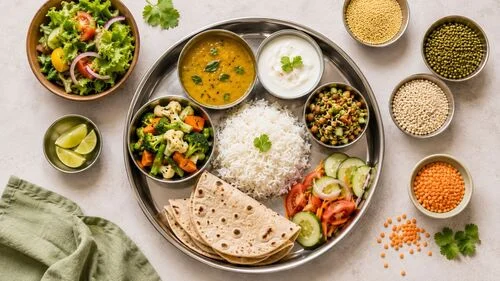
Indian foods for diabetes can include the same familiar staples that households already use. Rice, roti, dal, idli, dosa, millets, vegetables, curd, paneer, eggs, fish and chicken do not become automatically suitable or unsuitable because of diabetes.
What matters is the food’s form, refinement, preparation, frequency, amount, the rest of the dietary pattern and the person’s treatment and health needs. Regional habits also differ widely, so a useful approach should work with the foods a person actually eats rather than impose one standard “diabetes menu”.
Key takeaway: Indian foods for diabetes do not need to come from a special product range or a single regional diet. Familiar foods can be assessed by their carbohydrate contribution, fibre, protein, fat, sodium, processing and cooking method, while preserving cultural preferences and affordability. The appropriate quantities and dietary changes depend on individual glucose patterns, medication or insulin, nutritional needs and other health conditions.
Table of Contents
How can familiar Indian foods fit into diabetes nutrition?
The useful starting point is not to divide Indian foods into “allowed” and “forbidden” lists. A traditional food may be nutritious yet still need to be considered in relation to its carbohydrate, fat or sodium content, while a food that raises glucose more quickly is not automatically excluded for every person.
The broader principles of diabetes nutrition still apply across regional cuisines: food quality, nutritional adequacy, treatment, activity and the overall eating pattern matter together. Newtrist’s diabetes diet and nutrition guide covers that overall framework. The discussion here instead translates those principles into the foods, preparations and cultural patterns commonly encountered in Indian households.
Rice, roti and millets are not interchangeable
Rice
Rice is a staple in many Indian households, but the word “rice” covers many varieties and degrees of polishing. The final food can also differ by grain type and household preparation. For this page, the important point is that one rice label cannot determine suitability on its own; the detailed carbohydrate and glucose-response questions belong to the dedicated carbohydrate guide.
Roti and chapati
Roti and chapati are also carbohydrate-containing staples. The flour used, degree of milling, added ingredients, thickness and size can change the final food. A whole-wheat roti can provide more fibre than one made largely from refined flour, but it is not carbohydrate-free and should not be treated as unlimited simply because it is homemade.
Millets
Ragi, jowar, bajra and other millets can add grain variety and useful nutrients, but they are still carbohydrate foods. The species, flour particle size and final food form influence their nutritional characteristics. “Millet” should therefore not be used as a diabetes label that automatically makes every millet product preferable to rice or wheat.
If you want to understand why carbohydrate amount, fibre, glycaemic index and food structure influence glucose, use Newtrist’s carbohydrates and diabetes guide. Here, the emphasis remains on recognising how common Indian staples differ in everyday use.
What should you know about idli and dosa?
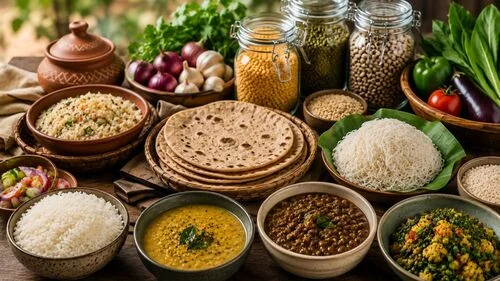
Idli and dosa are usually made from cereal-and-pulse batters, but their final nutritional profiles are not identical. Grain-to-pulse proportions, grinding, fermentation, thickness, added fat during cooking and the amount eaten can all change what the person consumes.
Fermentation changes flavour, texture and some aspects of digestibility, but it does not remove the carbohydrate from the batter. Likewise, steaming an idli and cooking a dosa on a pan create different final foods, yet neither method by itself determines whether the food is suitable for a particular person with diabetes.
Dal and pulses provide more than one nutrient
Dal, chickpeas, rajma, green gram, black gram and other pulses contribute carbohydrate as well as plant protein, fibre and micronutrients. This mixed nutrient profile makes them different from refined grain foods, but pulses still contribute to total food intake and should not be treated as “free” simply because they are good protein sources.
Whole pulses and more processed pulse forms can also differ in texture and fibre structure. Preparation can add substantial fat or sodium in some dishes, so the final dish matters more than the ingredient name alone. Vegetarian readers who rely heavily on pulses can find the broader nutritional-adequacy discussion in Newtrist’s vegetarian diet for diabetes guide.
Vegetables, fruit and dairy need different questions
Vegetables
Indian vegetable dishes can include leafy greens, gourds, beans, okra, brinjal, cauliflower, cabbage and many regional vegetables. These foods can contribute fibre, vitamins and minerals, but preparation may substantially change the final dish. Starchy vegetables such as potato, yam, colocasia and corn contain more carbohydrate than many non-starchy vegetables and should not be treated as nutritionally identical.
Fruit
Fruit is often unnecessarily removed from Indian diabetes diets because it tastes sweet. Whole fruit, juice, dried fruit, ripeness and processing behave differently, and individual responses vary. The dedicated Fruits for Diabetes guide covers mango, banana, papaya, guava, grapes and other fruits in the depth that belongs on that page.
Milk, curd and paneer
Milk and plain curd provide protein, calcium and naturally occurring carbohydrate, while paneer generally contains less carbohydrate but can contribute significant fat depending on the milk and preparation used. Sweetened dairy drinks, flavoured yoghurt and milk-based desserts are different products from unsweetened milk or curd and should be assessed according to their full ingredient profile.
How do eggs, fish and chicken fit?
Eggs, fish and chicken are primarily protein foods and generally contribute little carbohydrate in their plain forms. Their relevance to diabetes nutrition is therefore less about carbohydrate counting and more about the overall dietary pattern, cooking method, added fat, sodium and whether the food is processed or heavily coated.
Regional preferences matter. Fish is common in many coastal and eastern cuisines, eggs may be accepted in some otherwise vegetarian households, and chicken may be used regularly or only occasionally. A useful plan should respect those differences rather than assume that every Indian household follows the same protein pattern.
Traditional snacks and sweets need context, not a separate rulebook
Indian snacks range from steamed or roasted foods to bakery items, fried mixtures, savoury packaged foods and sweets. The nutritional concern depends on what the product is made from and how it is prepared. Refined flour, added sugar, deep-frying, repeated snacking and high sodium can matter more than whether the food is described as “traditional” or “homemade”.
Mithai and festival sweets can combine concentrated sugar with refined grain, dairy fat, nuts or added fats. The separate Foods to Avoid with Diabetes guide explains the broader reasons sugary drinks, frequent sweets, highly refined foods and heavily processed foods may need limiting. This page keeps the focus on their place within Indian food culture rather than creating another restriction list.
Cooking method can change the nutritional picture
Cooking does more than change taste. Frying increases the fat absorbed by many foods, while heavy use of ghee, butter, cream or coconut-rich preparations can increase saturated fat. Pickles, papad, chutney powders, sauces and ready mixes may contribute substantial sodium depending on how they are prepared and used.
Grinding, mashing and prolonged cooking can also alter food structure. However, no single cooking technique guarantees a particular glucose result. The practical effect depends on the ingredient, the final form, the amount eaten and the person’s treatment and glucose pattern.
Regional food patterns should not be ranked as better or worse
There is no single Indian diabetes diet. South Indian households may rely more on rice, idli, dosa or ragi; many northern households use wheat-based rotis and parathas; western regions may use jowar or bajra more often; eastern and coastal patterns may combine rice with fish; and numerous communities follow mixed or entirely different patterns.
These regional patterns should be assessed within their own context. Replacing every familiar staple with an unfamiliar “health food” can increase cost and reduce long-term practicality without solving the underlying nutrition issue. Local grains, pulses, vegetables, fruits, dairy and protein foods can all be considered according to nutritional quality, affordability and household preference.
Vegetarian and non-vegetarian households may need different emphasis
A vegetarian pattern may obtain protein from pulses, dairy, paneer, soy, nuts and seeds, while a non-vegetarian pattern may also use eggs, fish or poultry. The main question is nutritional adequacy across the whole pattern, not whether one dietary identity is inherently better for diabetes.
People following vegan diets may need additional attention to nutrients that are harder to obtain from food alone, particularly vitamin B12. The dedicated vegetarian diabetes page owns the deeper discussion of vegetarian protein, soy, dairy, vegan considerations and nutritional adequacy, so those topics are not duplicated here.
Festivals, eating out and social occasions can change the food pattern
Festivals, weddings, religious events and restaurant meals can change usual food timing, food variety and the frequency of sweets, fried foods or rich dishes. These occasions are part of normal social life and do not need to be framed as dietary failure.
The relevant concern is that the eating pattern may differ from the person’s usual routine, which can matter more when insulin, glucose-lowering medication, kidney disease or other clinical factors are present. People using insulin or glucose-lowering medication who expect a substantial departure from their usual eating pattern should ask their medical team how treatment should be handled rather than changing medication on their own.
Why can the same Indian food suit people differently?
Food choice alone does not determine a person’s glucose response. Diabetes type, medication or insulin, recent activity, starting glucose, digestion, kidney or cardiovascular health, appetite, nutritional status and the amount and form of food can all change the practical effect.
This is why an online list cannot determine the correct quantity of rice, roti, dal, fruit, dairy or any other food for one individual. A pattern that works well in one household may need modification for another person because treatment, age, health conditions, cultural habits and daily routine are different.
Frequently asked questions
Are poha and upma automatically better than rice for diabetes?
No. Poha and upma are familiar grain-based foods, but neither is automatically better than rice for everyone with diabetes. The grain used, degree of processing, added ingredients, cooking method, quantity and the person’s glucose response all matter. A change from one staple to another should therefore be judged within the individual’s broader food pattern rather than by the food name alone.
Can sambar and rasam be treated as “free foods” with diabetes?
No. Sambar and rasam vary considerably between households and recipes. Sambar may contain pulses, vegetables and added fat, while rasam can vary in pulse content, seasoning and sodium. Neither should be assumed to be nutritionally negligible or suitable in unlimited quantities. The practical effect depends on preparation, quantity, the rest of the dietary pattern and any individual medical restrictions.
Do people with diabetes need special diabetic atta or flour?
No. A product labelled “diabetic atta” is not automatically necessary or superior. Flour blends may differ in whole-grain content, fibre, pulses, seeds and other ingredients, but the label does not determine the appropriate amount or glucose response. The ingredient list, nutritional profile, usual food preferences and the person’s overall carbohydrate needs are more useful considerations than a diabetes marketing claim.
Can cinnamon, fenugreek or turmeric be used to treat diabetes?
No. Cinnamon, fenugreek, turmeric and other spices can be used as normal culinary ingredients, but they should not be relied on to treat diabetes or replace prescribed care. Concentrated supplements or unusually large amounts are not the same as ordinary cooking use and may not be appropriate for everyone. Medication and diabetes treatment should not be changed on the basis of spice claims.
Conclusion
Indian foods for diabetes can include familiar regional staples without turning the household diet into a special “diabetic” menu. Rice, roti, dal, millets, idli, dosa, vegetables, dairy and protein foods each have different nutritional characteristics, while cooking, culture and individual treatment influence how they fit. The appropriate quantities and modifications therefore need to reflect the individual rather than a universal Indian food chart.
When personalised nutrition guidance may help
General information can explain how familiar Indian foods differ, but it cannot determine the right quantities, frequency or clinical modifications for every person with diabetes. The assessment may need to bring together diabetes type, glucose records, laboratory results, treatments or insulin, kidney and heart health, appetite, nutritional status, regional preferences, dietary pattern, budget and everyday routine.
A personalised diet plan for clinical nutrition can be developed with Chief Nutritionist Vasanthi Senthilvel at Newtrist Nutritionist Dietitian Dietician when household staples need to be adapted around diabetes treatment and other health needs. The consultation can translate household staples and regional foods into recommendations that reflect medical treatment, nutritional priorities, preferences and practical constraints.
If familiar Indian foods need to be adapted to your diabetes care, consult Chief Nutritionist Vasanthi Senthilvel for a personalised diet plan for clinical nutrition that considers treatment, household food habits, preferences and practical routine.
Author
Chief Nutritionist Vasanthi Senthilvel leads Newtrist Nutritionist Dietitian Dietician, providing personalised diet plans for weight management and clinical nutrition for children, adolescents, adults and families.
She has 21 years of experience in nutrition and has received professional recognition for her work.
- Pride of Bharat Awards 2026: Outstanding Achievement in Holistic Health & Nutrition Innovation
- Doctor of The Year: Nutritionist 2026: Excellence in Clinical Nutrition and Weight Loss.
Her approach considers age, growth, health history, medical conditions, laboratory reports, medication, body composition, weight history, dietary preferences, regional food habits, family routines, activity, sleep and personal health goals. Recommendations are developed according to individual needs rather than using one standard diet for everyone.
Consultations are available in person at Bangalore HSR Layout, Koramangala, Bellandur, Haralur and Electronic City, as well as online across India.
Independent Medical Review Panel
Newtrist health and nutrition articles undergo medical review, where appropriate, by doctors with relevant specialist expertise. The medical professionals listed below contribute to Newtrist’s review process within their respective specialties.
| Speciality | Doctor |
|---|---|
| Endocrinology | Dr Vinay Prasad MBBS, MD, DM |
| Gastroenterology & Hepatology | Dr Sunil kumar N MBBS, MD, DM |
| Gynaecology | Dr Prathiba G MBBS, DNB, FIRM, FMAS |
| Nephrology | Dr Priyashree R MBBS, MD, DNB, DM |