
Written by: Chief Nutritionist Vasanthi Senthilvel
21 years of experience | Newtrist Nutritionist Dietitian Dietician
Best Nutritionist in Bangalore with multiple awards for excellence in clinical nutrition, weight loss, holistic health and nutrition innovation.
Medically reviewed by: Dr Prathiba G MBBS, DNB, FIRM, FMAS | Dr Sunil kumar N MBBS, MD, DM | Dr Vinay Prasad MBBS, MD, DM
Medical Disclaimer: Nutritional needs vary based on an individual’s profile. The information on this page is for general educational purposes only and is not intended to replace personalised medical or nutrition care.
Low blood pressure can make food advice surprisingly confusing. One person is told to add salt, another needs to limit it; coffee may briefly raise a reading, yet a large meal can leave someone dizzy.
The useful question is not “Which food raises blood pressure fastest?” but “Why is my blood pressure dropping?” Low blood pressure food choices should match the pattern and cause, because dehydration, treatment, poor intake, post-meal drops, pregnancy, anaemia and heart or kidney conditions can call for very different responses.
Key takeaway: There is no universal low blood pressure food list. When hypotension is linked to dehydration or poor intake, adequate fluids and nutritionally complete eating may help; selected people may also need more sodium, while meal size or carbohydrate distribution can matter when blood pressure falls after eating. The safe approach depends on symptoms, medication, kidney and heart health, diabetes, pregnancy, laboratory findings and whether the drop happens after standing, after meals or during illness.
Table of Contents
Low blood pressure food choices depend on the pattern, not just the number
Low blood pressure, or hypotension, is not automatically a problem. Some people naturally have lower readings and feel well, while others become dizzy, weak, faint or unsteady at readings that are low for them. The symptoms, timing and cause matter more than treating one isolated number with food.
A drop after standing may suggest orthostatic hypotension. A drop after eating is called postprandial hypotension. Fluid loss, blood loss, treatment, pregnancy, illness, heart problems and disorders of blood-pressure regulation can create other patterns. Food may support management in some of these situations, but it cannot identify the cause.
What can food and fluids actually do for low blood pressure?
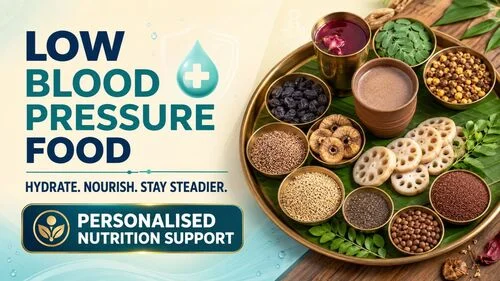
Nutrition can be useful when it corrects a relevant contributor without creating a new problem elsewhere. The most common areas to consider are hydration, sodium, overall food intake, meal-related drops and confirmed nutritional deficiencies.
Hydration can help when dehydration is contributing
Water and other appropriate fluids can support blood volume when fluid loss or low intake is part of the problem. Hot weather, fever, vomiting, diarrhoea, heavy sweating and some treatment can make dehydration more likely.
More fluid is not automatically safer. Heart failure, significant kidney disease and medically prescribed fluid restrictions can change what is appropriate, so people in these situations need individual advice rather than a general “drink more water” rule.
Extra salt can help selected people, but not everyone
Sodium can raise blood pressure, and a clinician may advise more dietary sodium for selected people with symptomatic hypotension. The same advice can be unsuitable for someone who also has hypertension, heart failure, kidney disease, swelling or a treatment-related reason to limit sodium.
This is why pickles, papads, packaged snacks or heavily salted foods should not become automatic “low BP foods”. If sodium needs to increase, the useful question is how to do that safely within the person’s complete medical and dietary picture.
Adequate food intake matters when illness or poor appetite is involved
Sometimes the nutrition problem is not a lack of a special ingredient. It is that the person has been eating too little because of illness, nausea, fatigue, stress, reduced appetite or unintentional weight loss. In that situation, restoring adequate energy, protein and dietary variety can matter more than chasing a food that raises blood pressure briefly.
Familiar Indian foods can fit according to preference and tolerance, including rice or roti, dals and pulses, milk or curd, eggs, fish or chicken, vegetables, fruits, nuts and seeds. These examples describe food groups, not a prescribed meal or portion plan.
Iron, vitamin B12 and folate matter only when deficiency is relevant
Anaemia and some nutrient deficiencies can contribute to weakness, tiredness, breathlessness or dizziness, but those symptoms do not prove that a deficiency is present. Iron, vitamin B12 or folate should therefore not be treated as universal low-blood-pressure remedies.
When deficiency is suspected, laboratory findings and the reason for the deficiency matter. Blood loss, poor absorption, medication, restricted intake and other health conditions can change both the medical treatment and the nutrition plan.
Are fruits or dry fruits good for low blood pressure?
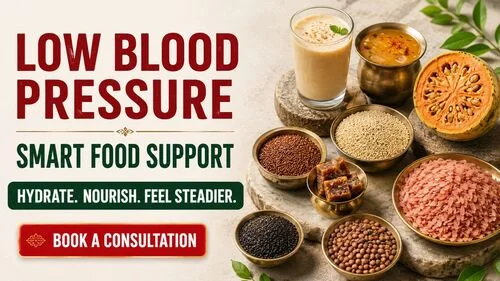
Fruits and dry fruits can contribute to a nutritionally adequate diet, but no fruit reliably treats hypotension. Fresh fruit can contribute fluid, carbohydrate and micronutrients, while dried fruit such as dates can provide concentrated energy when appetite is poor. Those nutritional roles are different from correcting the cause of recurrent low blood pressure.
A fruit that is rich in potassium is not automatically better for low blood pressure, and more potassium may be inappropriate for some people with reduced kidney function or certain treatment. The useful choice depends on why blood pressure is low and what the person needs nutritionally, rather than on a list of fruits said to raise BP.
Why can blood pressure fall after eating?
Postprandial hypotension means blood pressure drops after a meal. It is more common in older adults and in some people whose nervous system does not regulate blood pressure normally. The person may feel sleepy, weak, light-headed or unsteady after eating rather than when first standing up.
Large meals and a high carbohydrate load can worsen the drop in susceptible people. Clinicians may therefore use smaller meals or adjust how carbohydrate is distributed, but that is not the same as prescribing a very low-carbohydrate diet. Diabetes treatment, appetite, body weight, kidney health and nutritional adequacy still need to fit the plan.
If symptoms repeatedly follow meals, noting when they begin and what else was happening is more useful than automatically removing rice, roti or another staple food.
What if you have low blood pressure and diabetes?
Low blood pressure and low blood glucose can produce overlapping symptoms, including weakness, sweating, dizziness or shakiness, but they are not the same problem. In diabetes, checking the relevant readings and reviewing medication, meal timing and symptom patterns is more useful than assuming every episode needs sugar, salt or both.
Post-meal blood-pressure drops can add another layer of complexity because changing meal size or carbohydrate distribution may affect glucose management as well. A diabetes medication schedule, kidney function, appetite and usual eating pattern therefore need to be considered before making major dietary changes.
Why low blood pressure is not simply the opposite of hypertension
Low and high blood pressure are not nutritional mirror images. A person may have hypertension for years and later develop low readings because of dehydration, illness, weight change, medication effects or another health change. In that situation, suddenly adding large amounts of salt could conflict with the person’s longer-term cardiovascular needs.
This distinction keeps the low-blood-pressure page separate from hypertension nutrition. Hypertension focuses on reducing excess sodium and supporting long-term blood-pressure control; hypotension requires finding out why pressure is low and deciding whether fluid, sodium, meal pattern or another nutritional issue is actually relevant.
Quick fixes for low BP: what can backfire?
The foods and drinks people reach for first are not always the ones that solve the problem. A short-lived change in a blood-pressure reading can also create false reassurance when recurrent symptoms still need assessment.
Coffee or strong tea
Caffeine can cause a temporary rise in blood pressure in some people, but the response varies and it does not correct the underlying cause of hypotension. Palpitations, anxiety, reflux, sleep problems and medication routines can also affect whether caffeine is a useful choice.
Sugar, glucose drinks and sweets
Sugar is not a general treatment for low blood pressure. It is relevant when the actual problem is low blood glucose, which is a different condition. This distinction is especially important in diabetes because dizziness, sweating, shakiness or weakness can have several possible causes.
Electrolyte drinks
Electrolyte solutions can be useful when fluid and electrolyte losses are significant, such as during some episodes of vomiting or diarrhoea. They are not an everyday blood-pressure drink for everyone, and their sodium, sugar, potassium and fluid content may matter in kidney, heart or glucose-control concerns.
Coconut water
Coconut water provides fluid and potassium, but it is not a specific treatment for hypotension. Its usefulness depends on the cause of the low blood pressure, kidney function, treatment and the rest of the diet. A potassium-rich drink is not automatically the right answer for someone who has been advised to increase sodium.
When food is not the main answer
Repeated dizziness, fainting, falls, weakness or blurred vision deserves medical assessment, particularly when symptoms are new, worsening, linked to a new treatment, or occur consistently after standing or eating. A clinician may need to review the blood-pressure pattern, hydration, treatment, blood tests and possible underlying causes.
Urgent medical care is appropriate when low blood pressure occurs with chest pain, severe breathing difficulty, fainting with injury, severe confusion, signs of significant bleeding, sudden neurological symptoms or major sudden deterioration. Nutrition advice should not delay urgent assessment in these situations.
Frequently asked questions
Can naturally low blood pressure require no special diet?
Yes. Some people consistently have lower blood-pressure readings and feel completely well. In that situation, a special hypotension diet may not be necessary. Dietary changes become more relevant when low readings are accompanied by symptoms, dehydration, poor intake, medication effects or another medical issue that has been identified.
Can pregnancy cause low blood pressure?
Yes. Blood-pressure changes can occur during pregnancy, but persistent dizziness, fainting, severe weakness or other concerning symptoms still need medical assessment. Pregnancy also changes fluid and nutritional requirements, so extra salt, caffeine or supplements should not be used as a general low-BP treatment without considering the pregnancy and medical context.
Can fasting worsen low blood pressure?
It can. Fasting may worsen symptoms when it reduces fluid intake, food intake or both, particularly in hot weather or when treatment continue on their usual schedule. Diabetes, pregnancy, kidney or heart disease, older age and recurrent faintness can make individual planning more important. Religious practices and clinical needs can often be considered together without assuming one approach suits everyone.
What should I record if low blood pressure keeps recurring?
A simple pattern record can make medical and nutrition assessment more useful. Note when symptoms occur, the blood-pressure reading if available, whether the episode followed standing, a meal, exercise, heat exposure or fasting, and any recent changes in treatment, illness, fluid intake or appetite. The aim is to identify a pattern, not to diagnose the cause at home.
Conclusion
Low blood pressure food choices are useful when they address a real contributor, such as dehydration, inadequate intake, a meal-related drop or a confirmed nutritional deficiency, without creating a conflicting problem elsewhere. Salt, caffeine, sugar, electrolyte drinks and supplements are not universal solutions.
The practical goal is to understand when and why blood pressure is falling, then match nutrition to the person’s symptoms, health conditions, treatment and laboratory findings.
When personalised nutrition guidance may help
Personalised guidance becomes most useful when several factors need to be solved together. A person may be trying to improve hydration while also managing diabetes, kidney function, a history of hypertension, poor appetite or treatment that affect blood pressure. In that situation, the challenge is no longer finding another low-BP food; it is building one nutrition approach that does not solve one problem by creating another.
Readers who need individual guidance may consult Chief Nutritionist Vasanthi Senthilvel at Newtrist Nutritionist Dietitian Dietician. A clinical nutrition assessment may consider blood-pressure readings and symptom timing, medical history, laboratory reports, medication, hydration, appetite, recent weight change, eating patterns, food preferences, regional food habits, fasting practices and daily routine. These findings may be used to develop a Personalised Diet Plan for Clinical Nutrition that fits the individual’s needs while remaining compatible with the treating medical team’s advice.
Consult Chief Nutritionist Vasanthi Senthilvel for a Personalised Diet Plan for Clinical Nutrition developed around your blood-pressure pattern, health history, medication, food preferences and daily routine.
Author
Chief Nutritionist Vasanthi Senthilvel leads Newtrist Nutritionist Dietitian Dietician, providing personalised diet plans for weight management and clinical nutrition for children, adolescents, adults and families.
She has 21 years of experience in nutrition and has received professional recognition for her work.
- Pride of Bharat Awards 2026: Outstanding Achievement in Holistic Health & Nutrition Innovation
- Doctor of The Year: Nutritionist 2026: Excellence in Clinical Nutrition and Weight Loss.
Her approach considers age, growth, health history, medical conditions, laboratory reports, medication, body composition, weight history, dietary preferences, regional food habits, family routines, activity, sleep and personal health goals. Recommendations are developed according to individual needs rather than using one standard diet for everyone.
Consultations are available in person at Bangalore HSR Layout, Koramangala, Bellandur, Haralur and Electronic City, as well as online across India.
Independent Medical Review Panel
Newtrist health and nutrition articles undergo medical review, where appropriate, by doctors with relevant specialist expertise. The medical professionals listed below contribute to Newtrist’s review process within their respective specialties.
| Speciality | Doctor |
|---|---|
| Endocrinology | Dr Vinay Prasad MBBS, MD, DM |
| Gastroenterology & Hepatology | Dr Sunil kumar N MBBS, MD, DM |
| Gynaecology | Dr Prathiba G MBBS, DNB, FIRM, FMAS |
| Nephrology | Dr Priyashree R MBBS, MD, DNB, DM |