
Written by: Chief Nutritionist Vasanthi Senthilvel
21 years of experience | Newtrist Nutritionist Dietitian Dietician
Best Nutritionist in Bangalore with multiple awards for excellence in clinical nutrition, weight loss, holistic health and nutrition innovation.
Medically reviewed by: Dr Prathiba G MBBS, DNB, FIRM, FMAS | Dr Sunil kumar N MBBS, MD, DM | Dr Vinay Prasad MBBS, MD, DM
Medical Disclaimer: Nutritional needs vary based on an individual’s profile. The information on this page is for general educational purposes only and is not intended to replace personalised medical or nutrition care.
For an adult with medically diagnosed type 2 diabetes mellitus, familiar Indian home food can remain part of a personalised dietary approach. Regional preferences, family cooking and foods already used at home can be adapted to glucose patterns, appetite, activity, routine and individual nutritional requirements. A personal plan can also specify suitable ingredients and quantities.
Key takeaway: The 7-day diet for diabetes mellitus uses 28 independent regional Indian dishes to demonstrate how carbohydrate quality, amount, meal context and routine can change suitability across seven adult type 2 diabetes profiles. The right ingredients and quantities still depend on individual glucose patterns, appetite, activity and health findings.
Table of Contents
How to read this seven-profile diabetes mellitus diet
The four dishes under a Day are independent regional examples rather than a prescribed breakfast-to-dinner combination. The examples reveal the reasoning behind an adaptation while leaving the final ingredients, quantities and meal arrangement to individual assessment.
Which diabetes condition does this page address?
This page addresses adults with medically diagnosed type 2 diabetes mellitus. It does not combine type 1 diabetes, pregnancy-related diabetes, prediabetes, childhood diabetes or self-diagnosis into the same chart because each requires a different clinical and nutritional context.
The page therefore stays focused on regional food adaptation for adult type 2 diabetes. Broad definitions, symptoms and general condition guidance belong on the main diabetes diet page, while these examples show how familiar dishes may be reviewed for different adult routines.

Day 1: Diabetes mellitus meal examples for recently diagnosed adults
This profile concerns a recently diagnosed adult with medically diagnosed type 2 diabetes mellitus. It is not intended for type 1 diabetes, pregnancy-related diabetes, children or self-diagnosis. Early planning often involves separating evidence-based food decisions from blanket bans, while learning how the amount and context of familiar staples can affect individual glucose patterns.
| Meal | State | Dish | Main adaptation |
| Breakfast | Gujarat | Methi thepla | Use fresh methi, some gram flour and restrained oil; omit sweetened pickle |
| Lunch | Assam | Khar | Choose a vegetable-led raw-papaya version; restrain oil and review meal context |
| Evening snack | Himachal Pradesh | Modified pan-cooked babru | Use a thin whole-wheat casing and pan-cook instead of deep-frying |
| Dinner | West Bengal | Mochar ghonto | Emphasise banana blossom and chickpeas; reduce potato and omit added sweetness |
Breakfast: Methi thepla from Gujarat
Methi thepla is popular in Gujarat and traditionally combines wheat flour, fenugreek leaves, spices and oil in a griddle-cooked flatbread. A modified version can retain fresh methi and whole-wheat flour, include some gram flour, use restrained oil and leave out a sweetened pickle. The flour blend does not make it universally suitable; breakfast quantity, glucose response, appetite and the rest of the eating occasion still matter.
Lunch: Khar from Assam
Khar is strongly associated with Assam and commonly cooks raw papaya or another vegetable with a traditional alkaline ingredient, sometimes alongside pulses. For this example, a vegetable-led raw-papaya version can use restrained oil and careful seasoning while keeping the dish recognisable. The alkaline preparation, any pulse included and the rice eaten separately all change the meal context, so suitability cannot be decided from the vegetable alone.
Evening snack: Modified pan-cooked babru from Himachal Pradesh
Babru is associated with Himachal Pradesh and traditionally encloses spiced black gram in wheat dough before frying. This modified version keeps the lentil-filled identity but uses a thin whole-wheat casing and pan-cooking instead of deep-frying. It remains a concentrated flour-and-pulse snack, so the suitable amount depends on hunger, glucose patterns, digestion and what else the adult has eaten rather than on the cooking change alone.
Dinner: Mochar ghonto from West Bengal
Mochar ghonto is commonly associated with West Bengal and cooks banana blossom with ingredients such as potato, chickpeas, coconut and spices. A modified version can make banana blossom and chickpeas more prominent, reduce potato, omit added sweetness and use measured coconut and oil. Banana blossom is not a free food, and the full carbohydrate contribution, digestive tolerance and dinner appetite still require individual review.
Day 2: Diabetes mellitus meal examples for women balancing work and family routines
These examples concern an adult woman with medically diagnosed type 2 diabetes mellitus, not another diabetes type or self-diagnosis. Work, caregiving and shared family cooking can limit time for separate meals, but that does not make one household quantity suitable for everyone. Planning needs to fit her glucose patterns, hunger, activity and practical control over preparation.
| Meal | State | Dish | Main adaptation |
| Breakfast | Kerala | Appam | Avoid added sugar; restrain coconut and oil; assess the complete breakfast |
| Lunch | Bihar | Modified steamed kadhi bari | Steam the bari; retain the curd gravy and use measured oil |
| Evening snack | Chhattisgarh | Chhattisgarhi muthia | Keep steamed; include vegetables and gram flour; avoid a fried finish |
| Dinner | Goa | Tisryo sukhem | Use fresh clams with measured coconut and oil; avoid an overly salty finish |
Breakfast: Appam from Kerala
Appam is popular in Kerala and is traditionally made from a fermented rice-and-coconut batter cooked into a soft-centred, lacy pancake. A modified version can avoid added sugar, use restrained coconut and oil, and keep the traditional pan-cooked form. Fermentation does not remove the carbohydrate contribution, so the number, accompanying foods, morning activity and glucose response determine how appam may fit an individual breakfast.
Lunch: Modified steamed kadhi bari from Bihar
Kadhi bari is associated with Bihar and combines gram-flour dumplings with a curd-based gravy, while the dumplings are often fried. A modified version can steam the bari, retain the tangy curd gravy and use measured oil without turning the dish into a different preparation. Gram flour and curd still contribute to the eating occasion, while tolerance, quantity, storage and the carbohydrate in accompanying staples need personal review.
Evening snack: Chhattisgarhi muthia from Chhattisgarh
Muthia is a traditional Chhattisgarhi dumpling commonly made from rice or rice flour, sometimes with gram flour, vegetables and spices, then steamed. This example keeps the steamed form, adds vegetables and gram flour where the household recipe allows, and avoids a fried finish. Rice remains part of the dish, so workday hunger, glucose patterns, food storage and the amount eaten still affect suitability.
Dinner: Tisryo sukhem from Goa
Tisryo sukhem is a Goan dry clam preparation with onion, coconut and spices. A modified version can retain fresh clams and the coconut-spice character while using measured coconut and oil and avoiding an overly salty finish. Clams provide protein but do not make the complete dinner automatically suitable; shellfish allergy, access to fresh seafood, other health findings and any starch eaten with the dish change the decision.
Day 3: Diabetes mellitus meal examples for men with late-evening eating patterns
This profile concerns an adult man with medically diagnosed type 2 diabetes mellitus and a recurring late-evening eating pattern. It is not intended for other diabetes types or self-diagnosis. Long gaps, large late meals and variable activity can change appetite and glucose response, so the examples focus on food form and meal context without prescribing a clock time.
| Meal | State | Dish | Main adaptation |
| Breakfast | Rajasthan | Missi roti | Use more gram flour within the blend, fresh herbs and restrained oil |
| Lunch | Telangana | Bagara baingan | Measure the nut-seed paste, reduce oil and omit added jaggery |
| Evening snack | Odisha | Mudhi mixture | Add fresh vegetables and roasted gram; omit fried namkeen and sweet chutney |
| Dinner | Meghalaya | Dohneiihong | Use lean fresh pork, measured black sesame and less oil |
Breakfast: Missi roti from Rajasthan
Missi roti is popular in Rajasthan and typically blends gram flour with wheat flour, spices and sometimes fresh herbs. A modified version can use a higher share of gram flour within the recognisable blend, include fresh herbs and cook with restrained oil. It still contains carbohydrate, and breakfast quantity should be assessed with morning appetite, activity, glucose patterns and the rest of the meal rather than treating gram flour as a universal solution.
Lunch: Bagara baingan from Telangana
Bagara baingan is associated with Telangana and cooks brinjal in a rich paste of peanuts, sesame, coconut, tamarind and spices. A modified version can keep the nut-seed and tamarind identity while measuring the paste, reducing oil and leaving out added jaggery. Brinjal itself does not determine the dish’s suitability; energy density, allergies, lunch quantity and the accompanying staple require individual consideration.
Evening snack: Mudhi mixture from Odisha
Mudhi, or puffed rice, is widely enjoyed in Odisha and may be mixed with onion, cucumber, roasted gram, spices and fried savouries. A modified mixture can emphasise fresh vegetables and roasted gram while omitting fried namkeen and sweet chutney. Puffed rice can be eaten quickly and remains a carbohydrate food, so snack amount, evening hunger and the planned dinner context are important for this profile.
Dinner: Dohneiihong from Meghalaya
Dohneiihong is a Khasi dish from Meghalaya that cooks pork with black sesame, ginger and aromatic seasoning. A modified version can use a lean fresh cut, measured sesame and less oil while preserving the dark sesame character. The dish may be protein-rich, but a large late dinner is not automatically appropriate; fat content, appetite, glucose pattern, digestion and other health findings influence whether it fits.
Day 4: Diabetes mellitus meal examples for adults who eat mostly vegetarian food
These dishes concern an adult with medically diagnosed type 2 diabetes mellitus who eats mostly vegetarian food. They are not intended for type 1 diabetes, pregnancy-related diabetes, children or self-diagnosis. A vegetarian pattern can still contain concentrated starches, oils and energy-dense additions, so pulses, grains, dairy foods, vegetables and quantities need to be assessed together.
| Meal | State | Dish | Main adaptation |
| Breakfast | Haryana | Bathua paratha | Make bathua prominent, omit potato filling and use restrained oil |
| Lunch | Punjab | Punjabi rajma | Use fresh masala and measured oil; omit cream and butter |
| Evening snack | Karnataka | Kosambari | Use fresh vegetables, measured coconut and restrained salt; do not sweeten |
| Dinner | Madhya Pradesh | Modified chakki ki shaak | Simmer rather than fry; use a lighter tomato gravy with measured oil |
Breakfast: Bathua paratha from Haryana
Bathua paratha is associated with Haryana and folds cooked bathua leaves, wheat flour and spices into a griddle-cooked flatbread. A modified version can make the greens prominent, use whole-wheat flour, leave out a potato filling and cook with restrained oil. Leafy greens do not cancel the flour contribution, so the suitable amount depends on glucose response, appetite, activity and the foods eaten alongside it.
Lunch: Punjabi rajma from Punjab
Punjabi rajma simmers kidney beans in an onion-and-tomato gravy with spices and is commonly paired with a staple. A modified version can rely on fresh masala, use measured oil and omit cream or butter while retaining the familiar bean curry. Rajma contributes both carbohydrate and protein, and digestive tolerance, bean quantity, the accompanying grain and individual glucose patterns determine how it may fit lunch.
Evening snack: Kosambari from Karnataka
Kosambari is a Karnataka salad commonly made with soaked moong dal, cucumber or carrot, coconut, herbs and a light tempering. This example can use fresh vegetables, measured coconut and restrained salt without sweetening the salad. Raw ingredients require careful hygiene, and soaked dal can still affect glucose and digestion; it is an independent snack example, not proof that the same preparation suits every adult.
Dinner: Modified chakki ki shaak from Madhya Pradesh
Chakki ki shaak is associated with Madhya Pradesh and traditionally uses washed wheat dough to form gluten pieces cooked in a spiced gravy. A modified version can simmer the pieces instead of frying them and use a lighter tomato-based gravy with measured oil. Its protein content does not remove all carbohydrate or energy considerations, and the dish is unsuitable for people who cannot tolerate wheat or gluten.
Day 5: Diabetes mellitus meal examples for adults working rotating shifts
This profile concerns an adult with medically diagnosed type 2 diabetes mellitus who works rotating shifts, not a person seeking diagnosis or a plan for another diabetes type. Changing sleep and work periods can alter hunger, food access and storage conditions. The examples demonstrate portable or practical adaptations without prescribing universal meal times.
| Meal | State | Dish | Main adaptation |
| Breakfast | Tamil Nadu | Kanchipuram idli | Keep the traditional seasoning; measure ghee and nuts and avoid a heavy finish |
| Lunch | Andhra Pradesh | Pulihora | Use fresh tempering, restrained oil and peanuts; omit added jaggery |
| Evening snack | Manipur | Kelli chana | Use freshly cooked pulses, more herbs, restrained salt and milder chilli |
| Dinner | Tripura | Wahan mosdeng | Use lean fresh pork, trim visible fat and reduce chilli and salt |
Breakfast: Kanchipuram idli from Tamil Nadu
Kanchipuram idli is associated with Tamil Nadu and uses a fermented rice-and-urad batter seasoned with pepper, cumin, ginger, curry leaves and often ghee or nuts. A modified version can keep the seasoning while measuring ghee and nuts and avoiding a heavy oil finish. A steamed food is not automatically unrestricted; batter ratio, quantity, shift appetite, storage time and individual glucose response still require review.
Lunch: Pulihora from Andhra Pradesh
Pulihora is popular in Andhra Pradesh and combines cooked rice with tamarind, a tempered spice mixture, peanuts and sometimes added sweetness. A modified version can use a fresh tempering, restrained oil and peanuts, and no added jaggery while retaining the sour-spiced identity. Rice remains the main carbohydrate, so packing convenience cannot replace assessment of quantity, work activity, glucose pattern and the rest of the eating occasion.
Evening snack: Kelli chana from Manipur
Kelli chana is a popular Manipuri street snack made with cooked chickpeas or peas, onion, tomato, herbs, chilli and sometimes perilla or sesame. A work-packed version can use freshly cooked pulses, more herbs, restrained salt and milder chilli without adding fried toppings. Pulse quantity, digestive tolerance, safe storage and the adult’s glucose pattern still determine suitability during a changing shift.
Dinner: Wahan mosdeng from Tripura
Wahan mosdeng is associated with Tripura and combines boiled pork with onion, ginger, chilli and seasoning in a robust preparation. A modified version can use a lean fresh cut, trim visible fat, reduce chilli and restrain salt while preserving the boiled-meat character. After a shift, hunger may encourage a large meal, so meat quantity, accompanying starch, digestion and the day’s overall eating pattern need individual review.
Day 6: Diabetes mellitus meal examples for older adults with a lower appetite
These examples concern an older adult with medically diagnosed type 2 diabetes mellitus and a lower appetite. They are not intended for children, pregnancy-related diabetes, type 1 diabetes or self-diagnosis. Texture, chewing comfort, digestion, unplanned weight change and other health findings may matter alongside glucose patterns, so simply reducing food is not an adequate strategy.
| Meal | State | Dish | Main adaptation |
| Breakfast | Nagaland | Amrusu | Use shredded lean chicken, soft bamboo shoots and restrained rice thickening |
| Lunch | Arunachal Pradesh | Wungwut ngam | Use lean chicken, tender vegetables and restrained rice-flour thickening |
| Evening snack | Sikkim | Chhurpi soup | Use soft fresh chhurpi, tender vegetables and restrained salt |
| Dinner | Uttarakhand | Kandalee ka saag | Cook the nettle leaves fully; restrain oil and avoid potato thickening |
Breakfast: Amrusu from Nagaland
Amrusu is an Ao Naga comfort dish made with ground rice, chicken, bamboo shoots, ginger, garlic and chilli. For an older-adult example, a modified version can use finely shredded lean chicken, softer bamboo shoots, less chilli and restrained rice thickening while retaining the stew-like character. Lower appetite makes nutrient density and texture relevant, but chewing, digestion, glucose response and the appropriate amount still differ between individuals.
Lunch: Wungwut ngam from Arunachal Pradesh
Wungwut ngam is associated with Arunachal Pradesh and traditionally combines chicken with rice flour, herbs and spices to create a thick, comforting dish. A modified version can use lean chicken, tender vegetables and only enough rice flour to preserve the characteristic body. A soft texture may help some older adults, but appetite, swallowing comfort, glucose patterns and the rest of lunch need individual assessment.
Evening snack: Chhurpi soup from Sikkim
Chhurpi soup is associated with Sikkim and uses traditional fresh cheese in a warm broth, often with vegetables or mild seasonings. A modified version can use softer fresh chhurpi, tender vegetables and restrained salt rather than a heavily seasoned broth. The snack may be easy to eat, but dairy tolerance, chewing or swallowing needs, appetite and other health findings determine whether it is suitable.
Dinner: Kandalee ka saag from Uttarakhand
Kandalee ka saag is associated with Uttarakhand and prepares carefully handled nettle leaves with garlic, local seasoning and sometimes a flour thickener. A modified version can keep the leaves fully and safely cooked, use restrained oil and avoid potato-based thickening. The dish is not a complete dinner by itself, and fibre tolerance, appetite, texture needs and the carbohydrate in accompanying foods require review.
Day 7: Diabetes mellitus meal examples for adults with a weight-management goal
This profile concerns an adult with medically diagnosed type 2 diabetes mellitus who has an individually appropriate weight-management goal. It is not a universal instruction to lose weight and does not apply to other diabetes types or self-diagnosis. Food quantity, nutritional adequacy, hunger, activity, body composition and weight history need to be considered together rather than relying on a short restrictive plan.
| Meal | State | Dish | Main adaptation |
| Breakfast | Jharkhand | Maduwa roti | Avoid added sugar and a heavy fat finish; assess the flour blend and amount |
| Lunch | Maharashtra | Matki usal | Emphasise sprouts; measure coconut and oil; omit fried farsan |
| Evening snack | Uttar Pradesh | Modified pan-cooked bedmi | Shape a thinner bread and pan-cook with restrained oil instead of deep-frying |
| Dinner | Mizoram | Misa maas poora | Keep shrimp and vegetables central; restrain oil, sugar and salt |
Breakfast: Maduwa roti from Jharkhand
Maduwa roti is associated with Jharkhand and uses finger-millet flour, sometimes blended with another flour to improve handling, then cooked on a hot griddle. A modified version can avoid added sugar and a heavy fat finish while preserving the rustic flatbread. Millet is still a carbohydrate food, so breakfast amount, fullness, activity and glucose response matter more than a general weight-loss label.
Lunch: Matki usal from Maharashtra
Matki usal is popular in Maharashtra and cooks sprouted moth beans with onion, tomato, spices and sometimes coconut. A modified version can emphasise the sprouts, use fresh masala, measured coconut and restrained oil, and omit fried farsan. Sprouting does not make quantity irrelevant; pulse tolerance, lunch hunger, accompanying starch and individual glucose patterns determine whether the dish supports a practical weight-management approach.
Evening snack: Modified pan-cooked bedmi from Uttar Pradesh
Bedmi is popular in Uttar Pradesh and traditionally uses a spiced urad-dal mixture with wheat dough before frying. This modified version keeps the dal-and-wheat character but shapes a thinner bread and pan-cooks it with restrained oil instead of deep-frying. It remains energy-dense enough to require context, so snack hunger, quantity, digestion and the planned dinner influence suitability for a weight-management goal.
Dinner: Misa maas poora from Mizoram
Misa maas poora is associated with Mizoram and combines shrimp with vegetables and a roasted or grilled preparation. A modified version can keep the shrimp-and-vegetable identity, use restrained oil and avoid a sugary or heavily salted finish. Shrimp does not make the full dinner automatically suitable; shellfish allergy, protein needs, accompanying starch, appetite and other health findings all affect the individual decision.
7-Day Diet for Diabetes Mellitus
| Meal | State | Dish | Main adaptation |
| Day 1 | |||
| Breakfast | Gujarat | Methi thepla | Use fresh methi, some gram flour and restrained oil; omit sweetened pickle |
| Lunch | Assam | Khar | Choose a vegetable-led raw-papaya version; restrain oil and review meal context |
| Evening snack | Himachal Pradesh | Modified pan-cooked babru | Use a thin whole-wheat casing and pan-cook instead of deep-frying |
| Dinner | West Bengal | Mochar ghonto | Emphasise banana blossom and chickpeas; reduce potato and omit added sweetness |
| Day 2 | |||
| Breakfast | Kerala | Appam | Avoid added sugar; restrain coconut and oil; assess the complete breakfast |
| Lunch | Bihar | Modified steamed kadhi bari | Steam the bari; retain the curd gravy and use measured oil |
| Evening snack | Chhattisgarh | Chhattisgarhi muthia | Keep steamed; include vegetables and gram flour; avoid a fried finish |
| Dinner | Goa | Tisryo sukhem | Use fresh clams with measured coconut and oil; avoid an overly salty finish |
| Day 3 | |||
| Breakfast | Rajasthan | Missi roti | Use more gram flour within the blend, fresh herbs and restrained oil |
| Lunch | Telangana | Bagara baingan | Measure the nut-seed paste, reduce oil and omit added jaggery |
| Evening snack | Odisha | Mudhi mixture | Add fresh vegetables and roasted gram; omit fried namkeen and sweet chutney |
| Dinner | Meghalaya | Dohneiihong | Use lean fresh pork, measured black sesame and less oil |
| Day 4 | |||
| Breakfast | Haryana | Bathua paratha | Make bathua prominent, omit potato filling and use restrained oil |
| Lunch | Punjab | Punjabi rajma | Use fresh masala and measured oil; omit cream and butter |
| Evening snack | Karnataka | Kosambari | Use fresh vegetables, measured coconut and restrained salt; do not sweeten |
| Dinner | Madhya Pradesh | Modified chakki ki shaak | Simmer rather than fry; use a lighter tomato gravy with measured oil |
| Day 5 | |||
| Breakfast | Tamil Nadu | Kanchipuram idli | Keep the traditional seasoning; measure ghee and nuts and avoid a heavy finish |
| Lunch | Andhra Pradesh | Pulihora | Use fresh tempering, restrained oil and peanuts; omit added jaggery |
| Evening snack | Manipur | Kelli chana | Use freshly cooked pulses, more herbs, restrained salt and milder chilli |
| Dinner | Tripura | Wahan mosdeng | Use lean fresh pork, trim visible fat and reduce chilli and salt |
| Day 6 | |||
| Breakfast | Nagaland | Amrusu | Use shredded lean chicken, soft bamboo shoots and restrained rice thickening |
| Lunch | Arunachal Pradesh | Wungwut ngam | Use lean chicken, tender vegetables and restrained rice-flour thickening |
| Evening snack | Sikkim | Chhurpi soup | Use soft fresh chhurpi, tender vegetables and restrained salt |
| Dinner | Uttarakhand | Kandalee ka saag | Cook the nettle leaves fully; restrain oil and avoid potato thickening |
| Day 7 | |||
| Breakfast | Jharkhand | Maduwa roti | Avoid added sugar and a heavy fat finish; assess the flour blend and amount |
| Lunch | Maharashtra | Matki usal | Emphasise sprouts; measure coconut and oil; omit fried farsan |
| Evening snack | Uttar Pradesh | Modified pan-cooked bedmi | Shape a thinner bread and pan-cook with restrained oil instead of deep-frying |
| Dinner | Mizoram | Misa maas poora | Keep shrimp and vegetables central; restrain oil, sugar and salt |
How do carbohydrate quality, quantity and timing change suitability?
Carbohydrate quality, quantity and timing can each change the glucose effect of a dish. A less refined grain or a pulse-containing preparation may provide more fibre or protein, but the total amount, the other foods eaten with it and the person’s glucose pattern still matter.
Timing is also personal rather than a universal clock rule. Work shifts, appetite, activity, sleep and the spacing of eating occasions can alter what is practical, so the same pulihora, appam or roti example may require a different place and quantity in two individual plans.
Preparation changes can improve the context without turning a food into a guaranteed diabetes food. Steaming instead of frying, reducing added sweetness, using measured oil or increasing vegetables can be useful considerations, but the complete eating pattern still determines suitability.
Why can one diabetes mellitus diet not cover every type and life stage?
One diabetes mellitus diet cannot safely represent every diabetes type or life stage. Type 1 diabetes, pregnancy-related diabetes, prediabetes, childhood diabetes and adult type 2 diabetes involve different assessment questions, glucose risks and nutritional priorities.
This article therefore remains within adult type 2 diabetes. Readers seeking another scope should use the relevant Newtrist condition page rather than adapting these adult examples by guesswork.
How do glucose patterns, appetite and other health conditions change these examples?
Glucose patterns show whether the same dish and amount behave differently at different eating occasions or on different kinds of day. A single reading cannot establish a universal food rule, but repeated patterns can help a qualified professional review carbohydrate amount, meal context and preparation.
Appetite and other health conditions can change the priority. An older adult with low intake may need a different approach from someone with strong evening hunger, while kidney, digestive or cardiovascular concerns can alter the suitability of pulses, dairy foods, seafood, potassium-rich ingredients or dense grain dishes.
When is medical assessment important for diabetes-related nutrition concerns?
Medical assessment is important when glucose readings are repeatedly outside the range set by the treating team, when low readings recur, or when eating becomes difficult because of persistent nausea, vomiting, diarrhoea or poor appetite. Unplanned weight loss, dehydration or a wound that is not healing also needs timely attention.
Confusion, fainting, breathing difficulty, severe weakness or an inability to keep fluids down may require urgent care. Nutrition guidance can support an established care plan, but it cannot diagnose the cause of a reading or replace necessary medical assessment.
Frequently asked questions about a diabetes mellitus diet
Does this 7-day diet for diabetes mellitus cover every type of diabetes?
No. This 7-day diet for diabetes mellitus is an educational showcase for adults with medically diagnosed type 2 diabetes. Type 1 diabetes, pregnancy-related diabetes, prediabetes and childhood diabetes require different assessment and nutrition planning. The seven Days are separate adult profiles and should not be transferred to another condition or life stage.
Why are exact carbohydrate amounts and portions not included?
Exact carbohydrate amounts and portions are not included because they cannot be determined safely from a webpage. Appropriate quantities depend on glucose patterns, appetite, activity, body composition, health findings and the complete eating occasion. The article explains adaptation logic, while an individual plan can specify the ingredients and quantities that suit one person.
Can rice or roti be included in a type 2 diabetes diet?
Yes, rice or roti may be included when the type, amount and meal context are suitable for the individual. Neither food is automatically forbidden or automatically appropriate. Glucose response, preparation, accompanying foods, appetite, activity and the rest of the day’s intake help determine how a familiar staple may fit.
How can rotating shifts change diabetes meal planning?
Rotating shifts can change hunger, sleep, food access, storage and the spacing of eating occasions. A practical plan may therefore differ across work patterns without imposing one universal time. The aim is to review what is available and repeatable, then match food amount and context to the adult’s glucose patterns and nutritional needs.
Can a weight-loss diet automatically suit an adult with type 2 diabetes?
No. A general weight-loss diet may be too restrictive, poorly matched to glucose patterns or nutritionally inadequate for a particular adult with type 2 diabetes. Weight management is not compulsory for everyone. When it is an appropriate goal, body composition, weight history, appetite, activity, health findings and sustainability should guide the plan.
How should regional dishes be reviewed when glucose patterns differ?
Regional dishes should be reviewed by their actual ingredients, preparation, quantity and meal context rather than by the dish name alone. Home and restaurant versions can differ considerably. Repeated glucose patterns, appetite, activity and other health findings can help determine whether an adaptation is useful or whether the dish needs a different place in the personal plan.
When may a personalised type 2 diabetes diet plan help?
A personalised type 2 diabetes diet plan may help when generic lists do not fit regional food, family cooking, work routines, appetite, glucose patterns or other health concerns. Individual planning can translate broad nutrition principles into specific ingredients, preparation details and quantities while keeping familiar Indian food practical and coordinating nutrition with necessary medical care.
What should you remember about a personalised diabetes mellitus diet?
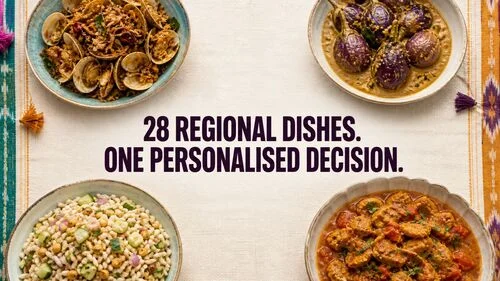
A useful 7-day diet for diabetes mellitus demonstrates how familiar dishes can be assessed, not which universal week every adult should follow. The 28 regional examples show that the same broad principle can lead to different adaptations when profile, preparation and meal context change.
The final plan must decide ingredients, quantities and eating arrangements for one adult with type 2 diabetes. Glucose patterns, appetite, activity, health findings, regional preferences and the realities of family cooking all belong in that decision.
How Chief Nutritionist Vasanthi Senthilvel personalises a type 2 diabetes diet
Chief Nutritionist Vasanthi Senthilvel reviews the adult’s diagnosis, glucose and laboratory patterns, health history, body composition, weight history, appetite, activity and daily routine. She also considers regional preferences, family cooking, familiar home foods, work schedule, cooking access and individual goals.
The personalised clinical-nutrition plan can then specify suitable ingredients, preparation details, quantities and practical eating arrangements that a general article cannot determine. Familiar regional dishes may be retained, modified or placed differently according to the person’s complete nutritional context.
Consult Chief Nutritionist Vasanthi Senthilvel for a personalised type 2 diabetes diet plan built around your health findings, glucose patterns, regional food preferences, family cooking and daily routine.
Author
Chief Nutritionist Vasanthi Senthilvel leads Newtrist Nutritionist Dietitian Dietician, providing personalised diet plans for weight management and clinical nutrition for children, adolescents, adults and families.
She has 21 years of experience in nutrition and has received professional recognition for her work.
- Pride of Bharat Awards 2026: Outstanding Achievement in Holistic Health & Nutrition Innovation
- Doctor of The Year: Nutritionist 2026: Excellence in Clinical Nutrition and Weight Loss.
Her approach considers age, growth, health history, medical conditions, laboratory reports, medication, body composition, weight history, dietary preferences, regional food habits, family routines, activity, sleep and personal health goals. Recommendations are developed according to individual needs rather than using one standard diet for everyone.
Consultations are available in person at Bangalore HSR Layout, Koramangala, Bellandur, Haralur and Electronic City, as well as online across India.
Independent Medical Review Panel
Newtrist health and nutrition articles undergo medical review, where appropriate, by doctors with relevant specialist expertise. The medical professionals listed below contribute to Newtrist’s review process within their respective specialties.
| Speciality | Doctor |
|---|---|
| Endocrinology | Dr Vinay Prasad MBBS, MD, DM |
| Gastroenterology & Hepatology | Dr Sunil kumar N MBBS, MD, DM |
| Gynaecology | Dr Prathiba G MBBS, DNB, FIRM, FMAS |
| Nephrology | Dr Priyashree R MBBS, MD, DNB, DM |