
Written by: Chief Nutritionist Vasanthi Senthilvel
21 years of experience | Newtrist Nutritionist Dietitian Dietician
Best Nutritionist in Bangalore with multiple awards for excellence in clinical nutrition, weight loss, holistic health and nutrition innovation.
Medically reviewed by: Dr Prathiba G MBBS, DNB, FIRM, FMAS | Dr Sunil kumar N MBBS, MD, DM | Dr Vinay Prasad MBBS, MD, DM
Medical Disclaimer: The sample meal chart is provided strictly for educational and general reference purposes. Nutritional requirements change drastically based on an individual’s profile. The information is not intended to diagnose, treat or cure a medical condition or replace personalised medical or nutrition care.
After a heart attack, food can suddenly feel like another medical decision. Families may remove oil, salt, rice, eggs or dairy overnight, while the person recovering may be tired, constipated or eating very little.
A useful diet after heart attack is not the strictest food list. It is an eating pattern that supports recovery now and reduces future cardiovascular risk, while fitting the person’s medicines, appetite, blood pressure, cholesterol, blood glucose, kidney function and treatment plan.
Key takeaway: A diet after heart attack should combine two priorities: adequate nutrition for recovery and a heart-healthy eating pattern for long-term cardiovascular risk reduction. Vegetables and fruits, whole grains, pulses and other suitable protein foods, nuts, seeds and mostly unsaturated fats can form the base, while excess sodium, saturated fat, added sugars and heavily processed foods are usually reduced. The exact quantities, restrictions and timing depend on the person’s procedure, appetite, medicines and conditions such as hypertension, diabetes, high cholesterol, kidney disease or heart failure.
Table of Contents

Recovery and long-term heart protection are two different nutrition jobs
In the early weeks after a heart attack or cardiac procedure, recovery can change the immediate nutrition priority. Poor appetite, nausea, constipation, tiredness, altered taste or reduced activity may make it difficult to eat enough, so an overly restrictive diet can work against recovery.
As appetite and strength improve, the longer-term focus shifts towards an eating pattern that supports cardiovascular health and the risk factors that still matter, such as high blood pressure, high LDL cholesterol, diabetes, smoking, physical inactivity and body weight when weight management is appropriate. Nutrition is one part of secondary prevention, alongside prescribed medicines, medical follow-up and cardiac rehabilitation when recommended.
What should you eat after a heart attack?
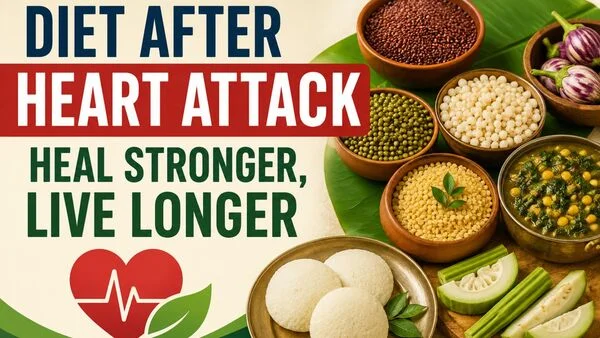
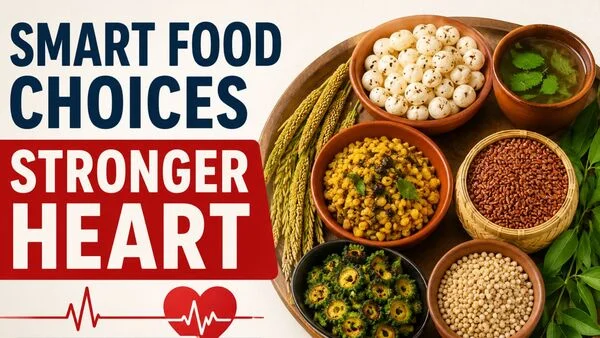
A heart-healthy eating pattern after a heart attack is usually built around minimally processed plant foods, suitable protein sources and mostly unsaturated fats. The goal is not to copy a fixed heart attack patient diet, but to build a pattern that remains nutritionally adequate and practical for the person’s health and household.
Vegetables, fruits and fibre-rich plant foods
Vegetables, fruits, pulses and whole grains contribute fibre, vitamins, minerals and other plant compounds. Variety matters more than searching for one food that is supposed to protect the heart. Familiar Indian foods can fit well, including seasonal vegetables, leafy greens, dals, beans, chickpeas, fruits, whole-wheat foods and millets where they suit the individual.
Rice does not automatically become forbidden after a heart attack. The type and quantity of staple food should be considered alongside blood glucose, appetite, body-weight goals, kidney health and the rest of the eating pattern.
Protein that supports recovery and muscle
Protein remains important during recovery, particularly when appetite has fallen, activity has reduced or an older adult is at risk of losing muscle. Pulses, dals, dairy foods where used, eggs, fish and lean poultry are examples of protein sources that may fit according to dietary preference and medical needs.
The appropriate amount cannot be decided from the heart attack alone. Kidney disease, recent surgery, poor intake, body composition and other health conditions can change protein priorities.
Fats: improve the source rather than removing all fat
A heart-healthy diet does not need to be fat-free. A more useful goal is to favour unsaturated fat sources and reduce the overall contribution of saturated and trans fats. Nuts, seeds and suitable liquid plant oils can contribute unsaturated fats, while frequent large amounts of ghee, butter, fatty meats and foods rich in saturated fat deserve closer attention.
Cooking method and overall quantity still matter. Removing all visible oil can make the diet unnecessarily restrictive without addressing the wider eating pattern.
What should be limited after a heart attack?
The most useful limits usually target foods that repeatedly add substantial sodium, saturated fat, added sugar or heavy processing to the diet. The emphasis should be on the overall pattern and frequency, not on labelling every food as safe or unsafe.
- Highly processed and packaged foods that contribute substantial sodium, saturated fat or added sugar
- Processed meats and frequent fatty meat preparations
- Deep-fried foods and commercial bakery or snack foods rich in saturated or trans fats
- Sugary drinks and frequent sweets
- Frequent large amounts of butter, ghee or other saturated-fat-rich fats
- Very salty pickles, papads, sauces, instant foods and packaged snacks when sodium reduction is relevant
A traditional food does not become unsuitable merely because it is Indian, and a packaged product does not become appropriate simply because it carries a heart-health claim. What matters is what the food contributes to the total pattern, how often it is eaten and whether it fits the person’s clinical needs.
Why a standard cardiac food list can fail
Two people can leave hospital after similar heart events and still need different nutrition priorities. The heart attack is only one part of the picture.
High blood pressure may make sodium and medication-related considerations more important. High LDL cholesterol or triglycerides may shift attention towards fat quality, fibre, added sugars or weight management where appropriate. Diabetes changes how carbohydrate intake, medicines and meal timing are handled. Kidney disease or heart failure can alter advice about sodium, potassium, fluid and sometimes protein.
When several conditions pull the diet in different directions, the task is integration rather than collecting more food lists. That is why condition-specific information on hypertension or high cholesterol can be useful without replacing an individual assessment of how those concerns fit together after a heart attack.
Does the diet change after a stent or bypass surgery?
A stent does not require a completely separate long-term diet. After angioplasty or stent placement, nutrition is still directed towards recovery, cardiovascular health and management of the coronary artery disease and risk factors that led to the procedure.
Bypass surgery can create a different short-term challenge. Tiredness, nausea, constipation, altered taste and poor appetite may make it difficult to eat enough during early recovery. In that situation, nutritional adequacy and muscle maintenance may need attention before aggressive weight-loss efforts or multiple food restrictions are considered.
Prescribed medicines after a heart attack, stent or bypass remain central to care. Food, supplements or herbal products should not be used as a reason to stop or alter antiplatelet medicines, cholesterol-lowering treatment, blood-pressure medicines or other prescribed therapy.
What if appetite is poor or weight is changing after hospitalisation?
Poor appetite is not a reason to make the diet stricter. If eating has become difficult, the immediate nutrition question is whether the person is getting enough energy, protein and essential nutrients while recovery and symptoms are being medically reviewed.
Nausea, constipation, fatigue, anxiety, altered taste, chewing difficulty, medication effects or another medical problem can all reduce intake. Unintentional weight loss, loss of strength or a progressively narrowing diet deserves attention because cardiovascular goals still need to be balanced with recovery and nutritional adequacy.
Weight loss is therefore not automatically the first goal after a heart attack. For some people, gradual weight management may become appropriate once medically stable; for others, maintaining weight, rebuilding strength or improving food intake may be the more relevant starting point.
Can foods or supplements clean the arteries after a heart attack?
No food, juice, spice, detox or supplement can undo a heart attack or replace secondary-prevention treatment. Claims that one ingredient can “clean arteries” can distract from the dietary pattern, medicines and rehabilitation measures that matter more.
Supplements and concentrated herbal products also deserve caution because some may affect bleeding, blood pressure, blood glucose or medication action. Anyone taking antiplatelet drugs, anticoagulants, cholesterol-lowering medicines, blood-pressure medicines or diabetes medicines should discuss supplements with the treating doctor or pharmacist rather than assuming that a natural product is automatically safe.
When should symptoms or nutrition problems be medically reviewed?
Nutrition advice should not be used to decide whether a new symptom is part of recovery or a new cardiac problem. New or recurrent chest pain, severe breathlessness, fainting, sudden weakness, new confusion or a major sudden deterioration requires urgent medical assessment.
Timely review is also appropriate when poor appetite persists, eating becomes difficult, body weight changes markedly without intention, swelling develops, vomiting continues, blood pressure or blood glucose is difficult to manage, or there are concerns about kidney function or medication side effects. Nutrition support can complement care, but it does not replace medical assessment.
Frequently asked questions
Can an Indian vegetarian diet support recovery after a heart attack?
Yes. An Indian vegetarian diet can support heart health when it provides adequate protein, fibre, vitamins, minerals and appropriate fat sources. Pulses, dals, dairy foods where used, nuts, seeds, whole grains, vegetables and fruits can all contribute. Individual assessment may be useful when appetite is poor or when vitamin B12, iron, protein, diabetes, kidney disease or weight concerns also need attention.
Is intermittent fasting recommended after a heart attack?
Not routinely. Intermittent fasting is not required for heart-attack recovery or cardiovascular protection, and it can complicate eating when appetite is poor, medicines need to be coordinated with food or diabetes treatment increases the risk of low blood glucose. Anyone considering fasting after a heart attack should first discuss whether it fits the recovery stage, medication schedule and wider medical plan.
Can I use a salt substitute instead of regular salt?
Sometimes, but not automatically. Many salt substitutes contain potassium, which may be unsuitable for people with reduced kidney function or for those taking certain medicines that can raise blood potassium. A low-sodium strategy should therefore not be converted into a high-potassium strategy without considering kidney function, medicines and the treating team’s advice.
Do I need to follow the Mediterranean or DASH diet exactly?
No single named diet is compulsory after a heart attack. Mediterranean-style and DASH-style patterns share useful principles such as more vegetables, fruits, whole grains, pulses, nuts and unsaturated fats, with less sodium, saturated fat and heavily processed food. Those principles can be adapted to familiar Indian foods rather than copied as a foreign meal plan.
Conclusion
A diet after heart attack should support two things at the same time: recovery from the recent event and long-term cardiovascular risk reduction. A heart-healthy eating pattern provides the foundation, but the useful version of that pattern still needs to fit the person’s treatment, appetite, nutritional status and coexisting conditions.
General guidance can explain the principles. It cannot decide the exact food quantities, restrictions, meal timing or clinical priorities for one person.
When personalised nutrition guidance may help
The difficult part after a heart attack is rarely learning that vegetables, pulses or whole grains can be healthy. It is working out how discharge advice, blood pressure, cholesterol, blood glucose, kidney function, medicines, appetite, recent weight change, food preferences and family routines should fit into one practical eating pattern without creating unnecessary restrictions.
Readers who need individual guidance may consult Chief Nutritionist Vasanthi Senthilvel at Newtrist Nutritionist Dietitian Dietician. A clinical nutrition assessment may consider the cardiac history or procedure, laboratory reports, medication, blood pressure, lipid profile, blood glucose, kidney function, body composition, appetite, recent weight change, dietary preferences, regional food habits and daily routine. These findings can be used to develop a Personalised Diet Plan for Clinical Nutrition that works alongside the treating cardiologist and medical team.
Consult Chief Nutritionist Vasanthi Senthilvel for a Personalised Diet Plan for Clinical Nutrition developed around your cardiac history, recovery stage, medical conditions, medication, food preferences and daily routine.
Author
Chief Nutritionist Vasanthi Senthilvel leads Newtrist Nutritionist Dietitian Dietician, providing personalised diet plans for weight management and clinical nutrition for children, adolescents, adults and families.
She has 21 years of experience in nutrition and has received professional recognition for her work.
- Pride of Bharat Awards 2026: Outstanding Achievement in Holistic Health & Nutrition Innovation
- Doctor of The Year: Nutritionist 2026: Excellence in Clinical Nutrition and Weight Loss.
Her approach considers age, growth, health history, medical conditions, laboratory reports, medication, body composition, weight history, dietary preferences, regional food habits, family routines, activity, sleep and personal health goals. Recommendations are developed according to individual needs rather than using one standard diet for everyone.
Consultations are available in person at Bangalore HSR Layout, Koramangala, Bellandur, Haralur and Electronic City, as well as online across India.
Independent Medical Review Panel
Newtrist health and nutrition articles undergo medical review, where appropriate, by doctors with relevant specialist expertise. The medical professionals listed below contribute to Newtrist’s review process within their respective specialties.
| Speciality | Doctor |
|---|---|
| Endocrinology | Dr Vinay Prasad MBBS, MD, DM |
| Gastroenterology & Hepatology | Dr Sunil kumar N MBBS, MD, DM |
| Gynaecology | Dr Prathiba G MBBS, DNB, FIRM, FMAS |