
Written by: Chief Nutritionist Vasanthi Senthilvel
21 years of experience | Newtrist Nutritionist Dietitian Dietician
Best Nutritionist in Bangalore with multiple awards for excellence in clinical nutrition, weight loss, holistic health and nutrition innovation.
Medically reviewed by: Dr Prathiba G MBBS, DNB, FIRM, FMAS | Dr Sunil kumar N MBBS, MD, DM | Dr Vinay Prasad MBBS, MD, DM
Medical Disclaimer: Nutritional needs vary based on an individual’s profile. The information on this page is for general educational purposes only and is not intended to replace personalised medical or nutrition care.
You know who prefers extra sambar, who needs breakfast early and whose lunchbox must be packed before eight.
But when you finally sit down to eat, is there enough dal left for you?
Some days, breakfast gets delayed while you finish household work. On others, lunch becomes a few hurried bites between responsibilities. You may spend hours preparing food for your family without giving much thought to whether you have eaten enough yourself.
The irony is that nutritious food may already be available in your kitchen. The missing piece is making sure your own meals receive the attention they need.
Key Takeaway
A healthy diet for homemakers starts with regular, complete meals that provide adequate energy, protein, fibre and essential nutrients. You can eat the same familiar Indian foods prepared for your family without cooking separately. What matters is setting aside appropriate portions, maintaining a practical eating routine and meeting your individual nutritional requirements.
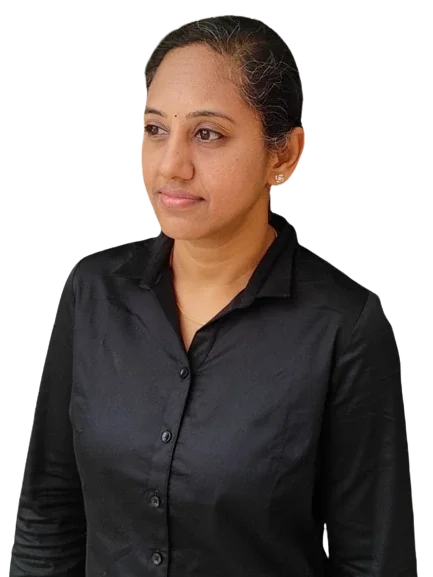
Table of Contents
Why Do Homemakers Often Overlook Their Own Nutrition?
You may plan meals carefully, buy fresh ingredients and prepare a variety of dishes throughout the week.
Yet cooking nutritious food and eating enough of it are two different things.
For some homemakers, the difficulty is not knowing which foods are healthy. It is finding a consistent place for their own meals among household responsibilities.
When Your Mealtime Depends on Everyone Else
A typical morning may involve preparing breakfast, packing lunchboxes, cleaning the kitchen and attending to family members.
You intend to eat after completing one task, but another responsibility takes its place.
Before you realise it, breakfast has been pushed much later than planned.
When this becomes a regular habit, your meals may depend more on when household work finishes than on your own hunger and nutritional needs.
The practical change is to treat your mealtime as part of the household schedule, rather than something to fit in only when everything else is complete.
When Your Plate Depends on What Remains
Imagine preparing rice, dal, vegetable sabzi and curd for lunch.
Everyone eats, and you sit down afterwards. There is enough rice, but most of the dal has finished.
You make do with rice and a little sabzi.
The concern is not the leftover food itself. It is that the meal you receive may be missing important components of what was originally prepared.
If this happens frequently, the quality and quantity of your meals can become inconsistent.

What Should a Balanced Diet for Homemakers Include?
A balanced diet for homemakers should combine suitable amounts of cereals or millets, protein-containing foods, vegetables, fruits and other nutrient-rich ingredients across the day.
There is no separate nutritional formula for every homemaker. Food requirements vary according to age, body composition, daily activity and individual needs.
However, your regular family meals can provide the foundation.
Build a Complete Meal From Familiar Indian Foods
A meal does not need to be elaborate to offer nutritional variety.
Consider these common family preparations.
| Food prepared for the family | How to assemble your own meal |
| Rice and vegetable curry | Include dal, curd or another suitable protein source |
| Chapati and sabzi | Add chana, rajma, paneer or another protein-containing accompaniment |
| Idli and chutney | Include vegetable sambar |
| Ragi roti and vegetable curry | Accompany with dal or curd |
| Vegetable poha | Include peanuts and curd |
The purpose is not to add more dishes to your cooking schedule.
It is to make sure your own serving includes an appropriate combination of the foods already prepared.
Familiar ingredients such as whole moong, palak, drumstick leaves, amaranth leaves, ragi and guava can contribute valuable nutrients to your eating pattern.
However, choosing nutritious ingredients is only part of the picture. The portions must also suit your requirements.

How Can Homemakers Eat Well Without Cooking Separate Meals?
A healthy eating routine becomes more practical when it works with the meals your family already enjoys.
You do not need to prepare a special menu every morning or cook an additional set of dishes for yourself.
A few changes in how you organise your meals can make your own eating routine more reliable.
Set Aside Your Portion Before Serving
When food is ready, reserve a complete serving for yourself before distributing the meal.
If lunch includes rice, dal, palak sabzi and curd, make sure each component is available for your plate.
Your portion need not be identical to that of another family member.
The important point is that your serving is considered while the meal is being planned, rather than after everyone else has eaten.
Choose Mealtimes That Fit Your Responsibilities
Your household may have a predictable morning rush or an afternoon when several tasks need attention.
Instead of forcing yourself into an impractical timetable, identify when you can realistically sit down and eat.
Perhaps breakfast works best immediately after the family’s morning routine. Lunch may be easier once the kitchen has been organised.
Choose times that fit your day without repeatedly postponing your meals.
A practical eating routine is more useful than a perfect timetable that rarely works.
Keep a Simple Alternative for Unexpected Delays
Even a well-organised day can change.
Visitors arrive, an appointment runs late or a family responsibility needs immediate attention.
Having familiar foods such as curd, roasted chana, fruit or previously prepared sundal available can help when your next meal is unexpectedly delayed.
These options make the day easier to manage without requiring additional cooking.
They are useful for handling interruptions while maintaining complete meals as the foundation of your routine.

What Does a One-Day Indian Meal Plan for a Homemaker Look Like?
A practical meal plan should use foods that can also be prepared for the family.
The following sample shows how familiar Indian dishes can provide variety across the day without requiring a separate diet menu.
Sample One-Day Indian Meal Plan for Homemakers
| Meal | Menu |
| Breakfast | Vegetable poha with peanuts and curd |
| Mid-morning | Fresh guava |
| Lunch | Rice or whole-wheat roti, moong dal, palak sabzi and curd |
| Evening snack | Roasted chana and a seasonal fruit |
| Dinner | Ragi roti, mixed vegetable sabzi and paneer curry |
This example illustrates food combinations rather than prescribing identical quantities for everyone.
The amount of food required depends on your nutritional needs, appetite, activity and the complete day’s intake.
The advantage of this approach is that most of the dishes can be shared with the family.
You can maintain a balanced eating routine without treating your own meals as a separate household project.
Frequently Asked Questions
Does Tasting Food While Cooking Count as Eating a Meal?
Tasting food may contribute small amounts of energy and nutrients, but it does not reliably provide the quantity or variety expected from a complete meal. A few bites while preparing dishes are different from eating an adequate serving of breakfast, lunch or dinner.
Is Tea With Biscuits Enough for Breakfast?
Tea with biscuits alone may provide limited protein, fibre and other important nutrients. A breakfast containing familiar foods such as idli with sambar, vegetable poha with peanuts and curd, or chapati with a protein-containing accompaniment can offer greater nutritional variety.
Can a Vegetarian Homemaker Meet Her Protein Requirements Without Cooking Separately?
Yes. Vegetarian family meals can provide protein through foods such as moong dal, chana, rajma, milk, curd, paneer and soy products. Including suitable amounts of these foods in existing family meals can help meet protein needs without preparing a separate menu.
Does Household Work Determine How Much a Homemaker Should Eat?
Household activity contributes to daily energy expenditure, but it is not the only factor determining food requirements. Age, body composition, overall activity and individual nutritional needs also influence appropriate portions. Two homemakers with similar responsibilities may still require different amounts of food.
When Can Personalised Nutrition Help a Homemaker?
You may already prepare nutritious meals for your family.
You know which vegetables everyone enjoys, how much rice to cook and which dishes work best on busy days.
But do you know whether your own food intake is appropriate?
Perhaps you regularly delay breakfast, eat smaller portions than intended or find it difficult to include enough protein in your meals.
You might also wonder whether the amount you eat matches your daily activity.
A general diet chart can suggest meal combinations. It cannot determine your individual nutritional requirements simply because you are a homemaker.
Two people may manage similar household responsibilities but differ in appetite, activity, food preferences and nutritional needs.
That is why personalised guidance can be more useful than copying someone else’s meal portions.
Personalised Nutrition With Chief Nutritionist Vasanthi Senthilvel
You already put thought and effort into your family’s meals.
Your own eating routine deserves the same consideration.
At Newtrist, Chief Nutritionist Vasanthi Senthilvel provides personalised nutrition guidance based on your current food habits, nutritional requirements, household routine and individual goals.
A consultation can help you understand whether your usual portions are sufficient, whether your meals provide an appropriate balance of nutrients and how to organise your eating routine around household responsibilities.
The focus can remain on the familiar Indian foods your family already enjoys.
You may not need complicated dietary rules or an entirely different menu.
You may simply need clarity about what belongs on your plate and how to make your meals a consistent part of the day.
You already make sure your family eats well. Now make sure the person preparing those meals receives the nutrition she needs too.
Book a personalised nutrition consultation with Chief Nutritionist Vasanthi Senthilvel at Newtrist to discuss an eating pattern tailored to your food preferences, nutritional requirements and everyday household routine.
Author
Chief Nutritionist Vasanthi Senthilvel leads Newtrist Nutritionist Dietitian Dietician, providing personalised diet plans for weight management and clinical nutrition for children, adolescents, adults and families.
She has 21 years of experience in nutrition and has received professional recognition for her work.
- Pride of Bharat Awards 2026: Outstanding Achievement in Holistic Health & Nutrition Innovation
- Doctor of The Year: Nutritionist 2026: Excellence in Clinical Nutrition and Weight Loss.
Her approach considers age, growth, health history, medical conditions, laboratory reports, medication, body composition, weight history, dietary preferences, regional food habits, family routines, activity, sleep and personal health goals. Recommendations are developed according to individual needs rather than using one standard diet for everyone.
Consultations are available in person at Bangalore HSR Layout, Koramangala, Bellandur, Haralur and Electronic City, as well as online across India.
Independent Medical Review Panel
Newtrist health and nutrition articles undergo medical review, where appropriate, by doctors with relevant specialist expertise. The medical professionals listed below contribute to Newtrist’s review process within their respective specialties.
| Speciality | Doctor |
|---|---|
| Endocrinology | Dr Vinay Prasad MBBS, MD, DM |
| Gastroenterology & Hepatology | Dr Sunil kumar N MBBS, MD, DM |
| Gynaecology | Dr Prathiba G MBBS, DNB, FIRM, FMAS |
| Nephrology | Dr Priyashree R MBBS, MD, DNB, DM |